














Urological Evaluation at Toronto General Hospital
Urological Evaluation at Toronto General Hospital provides a comprehensive assessment of symptoms and conditions affecting the urinary system and male reproductive system. The evaluation may focus on the kidneys, ureters, bladder, prostate, urethra, and related structures, helping healthcare professionals identify possible causes of urinary or urological problems and determine appropriate next steps.
Price
Price on Request
Why Price on Request?
The cost of a Urological Evaluation depends on the patient's symptoms, medical history, physical examination, laboratory tests, diagnostic imaging, specialist consultations, and any additional procedures that may be required. International patient costs may also vary according to the complexity of the evaluation and applicable hospital requirements.
Complete Description
What Is a Urological Evaluation?
A Urological Evaluation is a detailed medical assessment used to investigate symptoms, suspected conditions, abnormal test results, or previously diagnosed urological problems.
The evaluation may involve a review of medical history, physical examination, laboratory testing, imaging, and other diagnostic procedures depending on the patient's individual circumstances.
Who May Need a Urological Evaluation?
A urological evaluation may be considered for patients experiencing:
Difficulty or discomfort during urination
Frequent or urgent urination
Changes in urinary flow
Blood in the urine
Recurrent urinary problems
Kidney or flank pain
Pelvic discomfort
Prostate-related symptoms
Suspected kidney or bladder conditions
Abnormal urological test results
It may also be recommended for patients who require further investigation following an initial diagnosis.
Medical History Review
The evaluation may begin with a detailed review of the patient's symptoms, previous diagnoses, medications, surgeries, family history, lifestyle factors, and previous investigations.
Information about when symptoms started, how they have changed, and what treatments have already been attempted can help guide further assessment.
Physical Examination
Depending on the patient's symptoms and clinical situation, a physical examination may be performed to assess relevant areas and identify signs that require further investigation.
The examination is individualized according to the patient's medical history and suspected condition.
Urinary Function Assessment
Changes in urinary frequency, urgency, flow, incomplete emptying, nighttime urination, or discomfort may indicate different underlying conditions.
A urological evaluation can help assess these symptoms and determine whether further testing is appropriate.
Kidney Evaluation
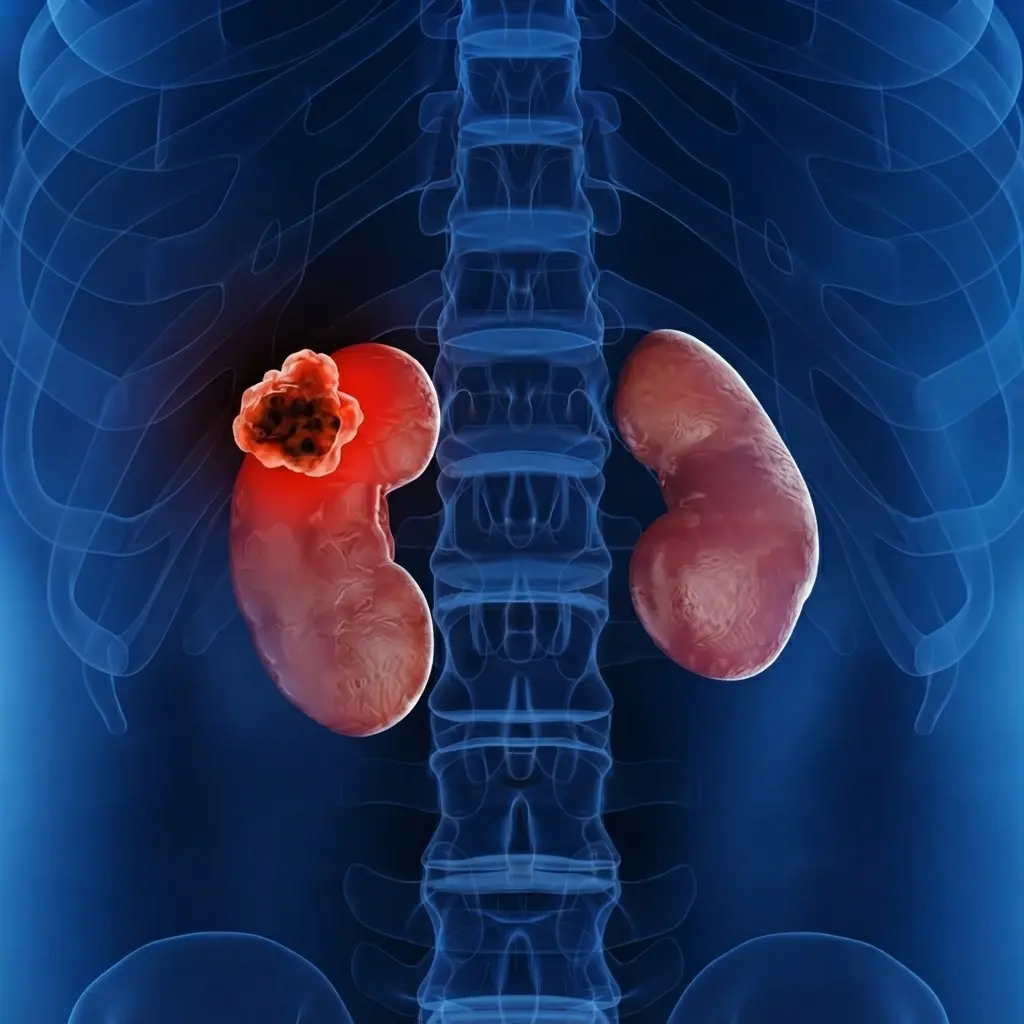
The kidneys play an essential role in filtering waste and producing urine. Kidney-related conditions may cause pain, changes in urine, blood in the urine, or other symptoms.
Depending on the patient's presentation, the evaluation may include laboratory testing, imaging, or other appropriate diagnostic assessments.
Bladder Evaluation
Bladder problems can affect urinary frequency, urgency, control, emptying, and comfort. Some patients may require additional assessment to determine whether symptoms are related to bladder function, infection, obstruction, structural changes, or another condition.
Further testing is selected according to the clinical findings.
Prostate Evaluation
Prostate conditions can affect urinary function and may become increasingly relevant with age. Symptoms can include weak urinary flow, difficulty starting urination, increased frequency, urgency, or incomplete bladder emptying.
A specialist evaluation can help determine whether symptoms may be related to the prostate or another urinary condition.
Blood in the Urine Evaluation
Blood in the urine can have multiple causes and may require further investigation depending on the patient's circumstances.
A urological evaluation can help determine which tests or imaging studies may be appropriate to investigate the underlying cause.
Kidney Stone Evaluation
Patients with suspected or recurrent kidney stones may require assessment of symptoms, previous stone history, imaging findings, and other relevant medical information.
The evaluation can help determine whether additional treatment or specialist management is required.
Urological Cancer Assessment
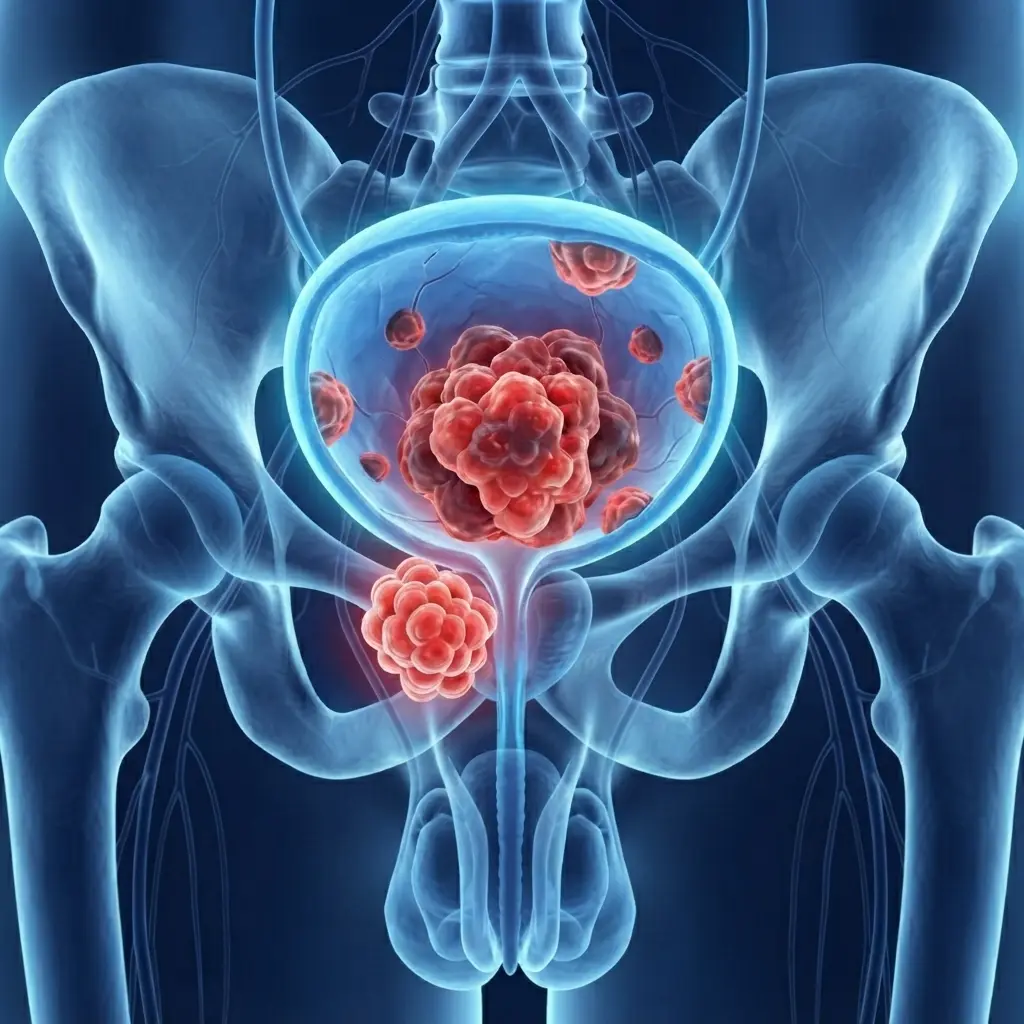
Urological evaluation may also be appropriate when there is a concern about cancer involving the prostate, kidney, bladder, or other parts of the urinary system.
Where cancer is suspected or previously diagnosed, the specialist may review imaging, laboratory findings, pathology reports, and other clinical information to determine appropriate next steps.
Laboratory Testing
Depending on the suspected condition, laboratory investigations may be recommended as part of the evaluation. These may provide information about urinary function, kidney health, infection, blood in the urine, or other relevant factors.
The specific tests required depend on the patient's symptoms and clinical assessment.
Diagnostic Imaging
Imaging may be recommended to examine the kidneys, urinary tract, bladder, prostate, or other relevant structures.
The choice of imaging depends on the suspected condition and the information required to support diagnosis and treatment planning.
Additional Diagnostic Procedures
Some urological conditions may require specialized diagnostic procedures when routine assessment and imaging do not provide sufficient information.
The need for any additional procedure is determined according to the patient's symptoms, examination findings, previous results, and suspected diagnosis.
Review of Previous Medical Reports
Patients who have already undergone testing or treatment may provide previous imaging, laboratory reports, pathology results, medical records, and treatment information.
Reviewing existing information can help the specialist understand the patient's medical history and determine whether additional investigations may be necessary.
Treatment Planning After Evaluation
The purpose of a urological evaluation is not only to identify possible causes but also to determine appropriate next steps.
Depending on the findings, recommendations may include monitoring, medication, further testing, minimally invasive treatment, surgery, or referral to another specialist.
Second Opinion and Complex Cases
Patients with complicated diagnoses or previously recommended treatments may seek a comprehensive urological evaluation as part of a second opinion.
This can help provide additional specialist assessment and clarify possible management options based on the available medical information.
Multidisciplinary Urological Care
Some urological conditions require input from multiple healthcare specialties. Depending on the diagnosis, care may involve urologists, oncologists, radiologists, pathologists, surgeons, rehabilitation professionals, and other specialists.
An academic healthcare environment can facilitate coordination between appropriate services when complex care is required.
International Patient Urological Evaluation
International patients seeking Urological Evaluation at Toronto General Hospital may need to provide previous medical records, imaging, laboratory results, pathology reports, medication information, and details of previous treatments.
The evaluation process depends on the patient's medical condition and applicable hospital requirements. International patients should allow sufficient time for consultation, diagnostic testing, specialist review, and treatment planning when necessary.
Benefits of Urological Evaluation
Comprehensive assessment of urological symptoms
Evaluation of kidney, bladder, prostate, and urinary tract conditions
Review of previous medical records and test results
Identification of appropriate diagnostic investigations
Assessment of urinary and prostate-related symptoms
Evaluation of suspected kidney stones
Assessment of abnormal urinary findings
Investigation of suspected urological cancers
Individualized treatment planning
Support for complex cases and second opinions
Access to multidisciplinary healthcare when required
Why Choose Toronto General Hospital?
Toronto General Hospital is part of University Health Network and provides care within an academic healthcare environment with access to specialized medical expertise, diagnostic services, and multidisciplinary healthcare.
For patients requiring detailed assessment of complex urological conditions, an integrated healthcare setting can support diagnostic evaluation, specialist review, treatment planning, and coordination with other appropriate medical services.
Cost & Price on Request
The total cost of Urological Evaluation depends on the complexity of the assessment, specialist consultation, laboratory testing, diagnostic imaging, and any additional procedures that may be required.
For international patients, the overall cost may vary according to the patient's medical needs and the services included in the individual evaluation and treatment pathway.
Customer-Facing Price: Price on Request
Frequently Asked Questions
1. What is included in a Urological Evaluation?
A urological evaluation may include medical history review, physical examination, assessment of symptoms, laboratory testing, diagnostic imaging, and additional investigations when clinically appropriate.
2. What symptoms may require a urological evaluation?
Symptoms such as difficulty urinating, blood in the urine, frequent or urgent urination, kidney or pelvic pain, changes in urinary flow, recurrent urinary problems, and prostate-related symptoms may require specialist evaluation.
3. Can a Urological Evaluation identify prostate problems?
A urological evaluation can assess prostate-related symptoms and determine whether additional examination, testing, imaging, or other investigations may be appropriate.
4. Can previous medical reports be reviewed during the evaluation?
Yes. Previous imaging, laboratory results, pathology reports, medical records, and treatment information can be useful for understanding the patient's medical history and planning further assessment.
5. Can international patients receive a Urological Evaluation?
International patients may seek specialized medical care subject to applicable eligibility, medical review, referral processes, and appointment requirements. The evaluation and subsequent treatment recommendations depend on the patient's individual medical needs.
Product Details
Product Name: Urological Evaluation at Toronto General Hospital
Hospital: Toronto General Hospital
Brand: Toronto General Hospital
Country: Canada
Specialty: Urology
Service Type: Urological Evaluation
Customer-Facing Price: Price on Request
International Patients: Subject to applicable eligibility and appointment requirements
Location: Toronto, Ontario, Canada
Related products




Frequently Bought Together
No frequently bought products found!
Products from this Seller
View All













Chemotherapy at Mayo Clinic

Immunotherapy at Mayo Clinic



Medical Tourism





Share with Friends
Trading is more effective when you share products with friends!Share you link
Share to