













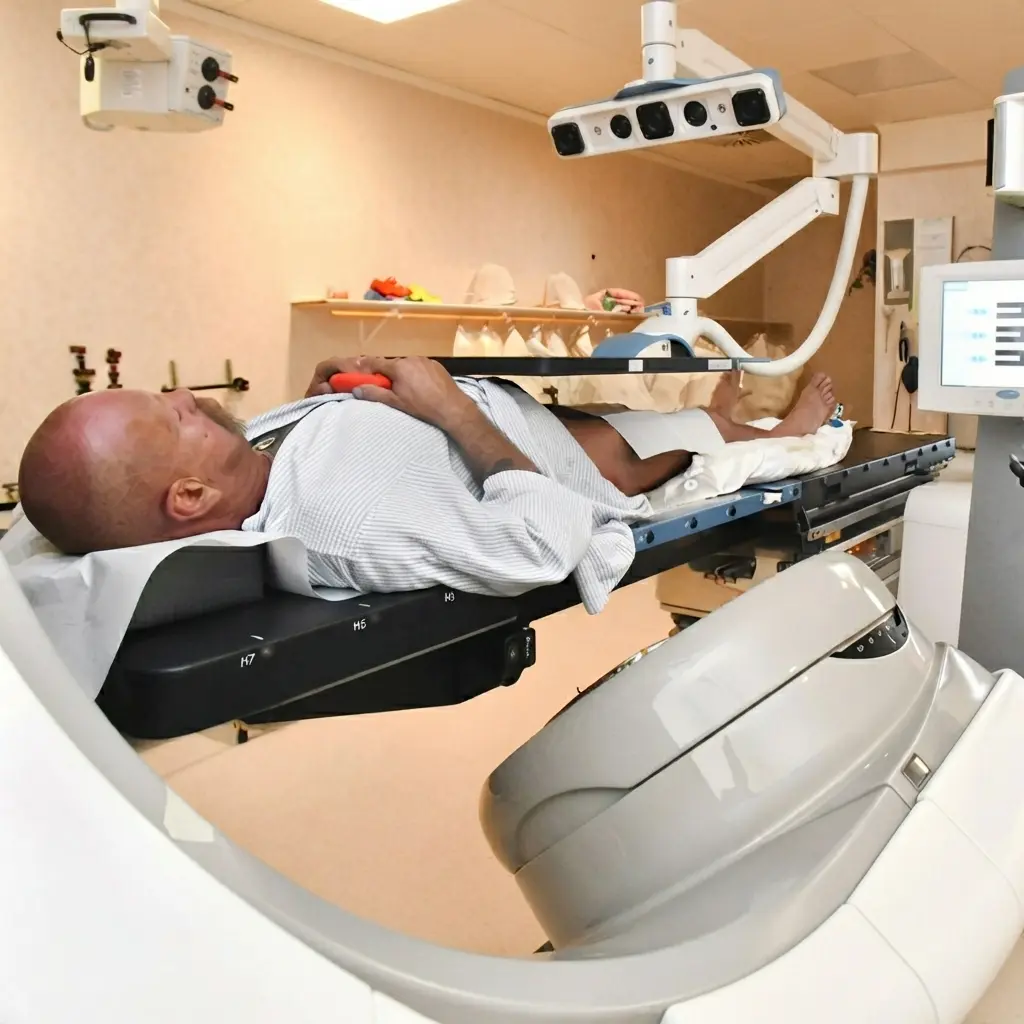
Prostate Cancer Treatment at Toronto General Hospital
Prostate Cancer Treatment at Toronto General Hospital provides comprehensive assessment and treatment planning for men diagnosed with prostate cancer. Treatment is selected according to the cancer stage, grade, prostate-specific findings, overall health, previous treatment history, and individual goals. Depending on the clinical situation, care may involve active surveillance, surgery, radiation-based treatment, systemic therapies, or a combination of approaches.
Toronto General Hospital is part of an academic healthcare environment where complex cancer cases may be assessed through coordinated specialist care. International patients can also seek evaluation and treatment planning subject to applicable eligibility, referral, and appointment requirements.
Price
Price on Request
Why Price on Request?
The cost of prostate cancer treatment varies significantly from patient to patient. It may depend on the type and stage of prostate cancer, diagnostic investigations, specialist consultations, treatment approach, surgical requirements, medications, hospital stay, follow-up care, and whether additional procedures are required. International patients may also have different administrative and care requirements. A personalized estimate can be determined after reviewing the patient's medical information and proposed treatment plan.
Complete Description
What Is Prostate Cancer Treatment?
Prostate cancer treatment refers to medical and surgical approaches used to manage cancer that develops in the prostate gland. The appropriate treatment depends on whether the cancer is localized to the prostate, has extended to nearby tissues, or has spread to other parts of the body.
Treatment decisions are generally based on factors such as cancer stage, Gleason grade or Grade Group, PSA level, imaging findings, biopsy results, age, general health, and previous treatments.
Who May Need Prostate Cancer Treatment?
Treatment may be considered for men who have been diagnosed with prostate cancer and require active management. Some patients with lower-risk disease may be suitable for active surveillance rather than immediate treatment, while others may require surgery, radiation, systemic therapy, or a combination of treatments.
A specialist evaluation helps determine the most appropriate approach for each individual case.
Prostate Cancer Assessment
Before treatment is selected, a detailed assessment may be performed to understand the nature and extent of the cancer. This can include reviewing:
PSA test results
Prostate biopsy findings
Gleason score or Grade Group
Pathology reports
Medical and family history
Previous imaging studies
Urinary symptoms
Previous prostate treatments
Overall health and other medical conditions
Additional investigations may be recommended when necessary to clarify the extent of disease.
Prostate Biopsy and Pathology Review
A prostate biopsy can provide tissue samples that are examined to determine whether cancer is present and to characterize its grade. Pathology findings are important when deciding whether surveillance, localized treatment, or more intensive management may be appropriate.
Patients who have already undergone a biopsy may have their pathology reports reviewed as part of treatment planning.
Staging and Risk Assessment
Determining the stage and risk characteristics of prostate cancer is an important part of treatment planning. Depending on the patient's circumstances, clinicians may evaluate the prostate, nearby tissues, lymph nodes, and other areas where cancer could potentially have spread.
The results help the care team understand whether the cancer appears localized, locally advanced, or metastatic and guide further management decisions.
Active Surveillance
For selected men with lower-risk prostate cancer, active surveillance may be considered instead of immediate definitive treatment. This approach involves ongoing monitoring to identify any evidence that the cancer is becoming more active or progressing.
Monitoring may include PSA testing, repeat examinations, imaging, and additional biopsies when clinically appropriate.
Prostate Cancer Surgery
Surgery may be considered for selected patients whose cancer is suitable for surgical treatment. The objective of prostate cancer surgery is generally to remove the prostate and cancerous tissue while considering preservation of surrounding structures when medically appropriate.
The suitability of surgery depends on the cancer characteristics, patient's overall health, previous treatments, and specialist assessment.
Radiation-Based Treatment
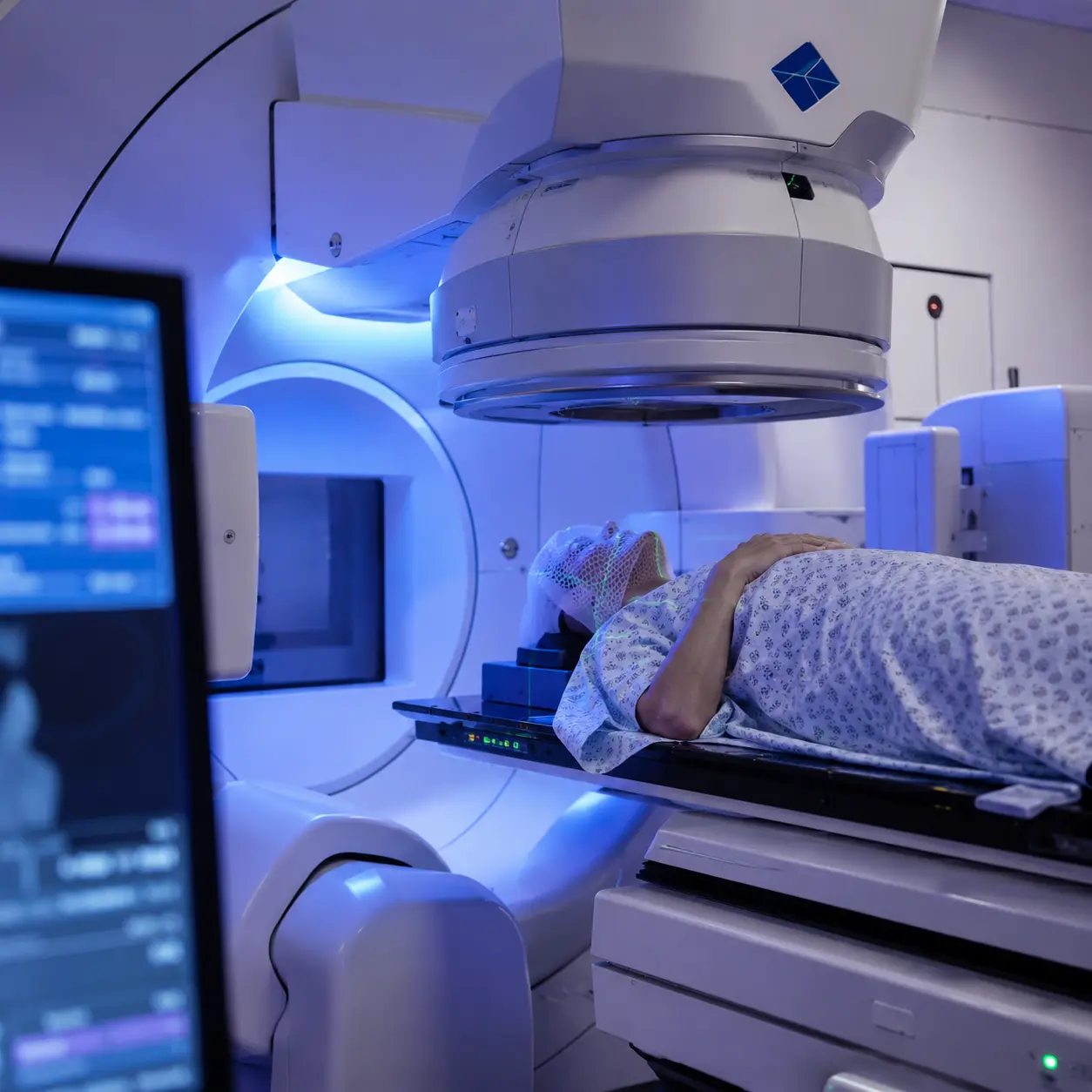
Radiation therapy may be used for localized or locally advanced prostate cancer and can also have a role in selected advanced cases. Radiation may be delivered using different techniques depending on the clinical situation.
A radiation oncology team can evaluate whether radiation is appropriate and develop a treatment plan based on the location and characteristics of the cancer.
Hormone and Systemic Therapies
Some prostate cancers depend on male hormones, particularly androgens, to grow. Hormonal treatment may therefore be considered for certain patients.
For advanced or metastatic disease, additional systemic treatments may be considered depending on cancer characteristics and previous treatment. The exact medication or combination is selected by the treating oncology team.
Treatment for Advanced or Metastatic Prostate Cancer
When prostate cancer has spread beyond the prostate, treatment generally focuses on controlling the disease, slowing progression, managing symptoms, and supporting quality of life.
Management may involve systemic therapy, hormone-based treatment, radiation, surgery in selected circumstances, or other specialized cancer treatments depending on the individual case.
Management of Recurrent Prostate Cancer
Cancer can sometimes return after initial treatment. Recurrence may be identified through rising PSA levels, imaging findings, clinical assessment, or other investigations.
The treatment approach for recurrent disease depends on the original treatment, location of recurrence, PSA pattern, previous therapies, and overall health.
Multidisciplinary Cancer Care
Complex prostate cancer cases may require input from multiple medical disciplines. Depending on the patient's needs, care may involve urology, medical oncology, radiation oncology, diagnostic imaging, pathology, and other healthcare professionals.
Multidisciplinary evaluation can help integrate diagnostic information and treatment options into a coordinated care plan.
Second Opinion for Prostate Cancer
Patients who have already received a prostate cancer diagnosis or treatment recommendation may seek a specialist second opinion. A review may include pathology reports, imaging, PSA history, biopsy results, previous treatment records, and the proposed treatment plan.
A second opinion may help patients better understand their diagnosis and available management options, particularly when treatment decisions are complex.
International Patient Prostate Cancer Treatment
International patients may request prostate cancer assessment and treatment planning at Toronto General Hospital subject to applicable requirements. Patients should provide relevant medical documentation, including biopsy and pathology reports, PSA results, imaging, previous treatment records, and medication information where available.
A review of medical records can help specialists understand the patient's condition before an appointment or treatment plan is established.
Benefits of Prostate Cancer Treatment at Toronto General Hospital
Comprehensive prostate cancer assessment
Individualized treatment planning
Evaluation of localized and advanced disease
Access to multidisciplinary specialist care
Review of previous diagnostic and treatment records
Options for complex and recurrent cases
Support for second-opinion assessments
Academic healthcare environment
Coordinated care for eligible international patients
Why Choose Toronto General Hospital?
Toronto General Hospital is part of University Health Network and provides care within a major academic healthcare environment. Patients with complex medical conditions can benefit from access to specialist expertise, advanced diagnostic resources, multidisciplinary collaboration, and treatment planning tailored to individual clinical circumstances.
For prostate cancer, the appropriate approach depends on the patient's specific diagnosis rather than a single standard treatment. Specialist assessment can help determine which available options may be suitable.
Cost & Price on Request
The final cost of prostate cancer treatment depends on the patient's diagnosis and recommended treatment pathway. Consultation, diagnostic testing, biopsy or pathology review, imaging, surgery, radiation treatment, medications, hospital services, follow-up appointments, and other clinical requirements may contribute to the overall cost.
Price on Request allows the treatment estimate to be developed according to the patient's individual medical requirements rather than applying one fixed price to every case.
Frequently Asked Questions
What prostate cancer treatments may be available?
Treatment options may include active surveillance, surgery, radiation therapy, hormone-based treatment, systemic therapy, or combinations of these approaches. The appropriate option depends on cancer stage, grade, risk level, previous treatment, and overall health.
How is the appropriate prostate cancer treatment selected?
Doctors consider biopsy and pathology findings, PSA levels, cancer grade and stage, imaging results, age, general health, previous treatments, and individual circumstances before recommending a treatment strategy.
Can I request a second opinion for prostate cancer?
Yes. Patients may seek specialist review of their diagnosis, pathology, imaging, PSA history, and proposed treatment plan. This can be particularly useful when the diagnosis or treatment decision is complex.
Can international patients receive prostate cancer treatment at Toronto General Hospital?
International patients may be eligible to request assessment or treatment subject to the hospital's applicable international patient, referral, eligibility, and appointment requirements. Medical records are generally important for initial clinical review.
How much does prostate cancer treatment cost at Toronto General Hospital?
There is no single price because treatment varies according to the patient's condition and required services. The cost is therefore provided on request after the patient's medical needs and proposed treatment plan have been assessed.
Product Details
Product Name: Prostate Cancer Treatment at Toronto General Hospital
Hospital: Toronto General Hospital
Brand: Toronto General Hospital
Country: Canada
Specialty: Urology
Service Type: Prostate Cancer Treatment
Customer-Facing Price: Price on Request
International Patients: Subject to applicable eligibility and appointment requirements
Location: Toronto, Ontario, Canada
Related products







Frequently Bought Together
No frequently bought products found!
Products from this Seller
View All













Chemotherapy at Mayo Clinic

Immunotherapy at Mayo Clinic


Medical Tourism





Share with Friends
Trading is more effective when you share products with friends!Share you link
Share to