














Fracture Care at Toronto General Hospital
Fracture Care at Toronto General Hospital focuses on the assessment, diagnosis, treatment, and follow-up of broken bones caused by accidents, falls, sports injuries, or other forms of trauma. Treatment is determined according to the location, type, severity, and stability of the fracture, as well as the patient's overall health and functional needs.
Price
Price on Request
Why Price on Request?
The cost of fracture care depends on factors such as the type and location of the fracture, diagnostic imaging, emergency or specialist assessment, treatment method, surgical requirements, hospital stay, rehabilitation, and follow-up care. International patient costs may vary according to the individual treatment plan and applicable hospital requirements.
Complete Description
What Is Fracture Care?
Fracture Care involves the medical assessment and treatment of a broken or cracked bone. A fracture can range from a small crack to a more complex injury involving displaced bone fragments, joint surfaces, or surrounding soft tissues.
Treatment aims to support appropriate bone healing, restore function, manage symptoms, and reduce the risk of complications.
Who May Need Fracture Care?
Fracture Care may be required after accidents, falls, sports injuries, workplace injuries, or other traumatic events. Patients may experience pain, swelling, bruising, difficulty moving the affected area, or an inability to place weight on an injured limb.
People with conditions that weaken bones may also require evaluation after relatively minor injuries.
Fracture Assessment
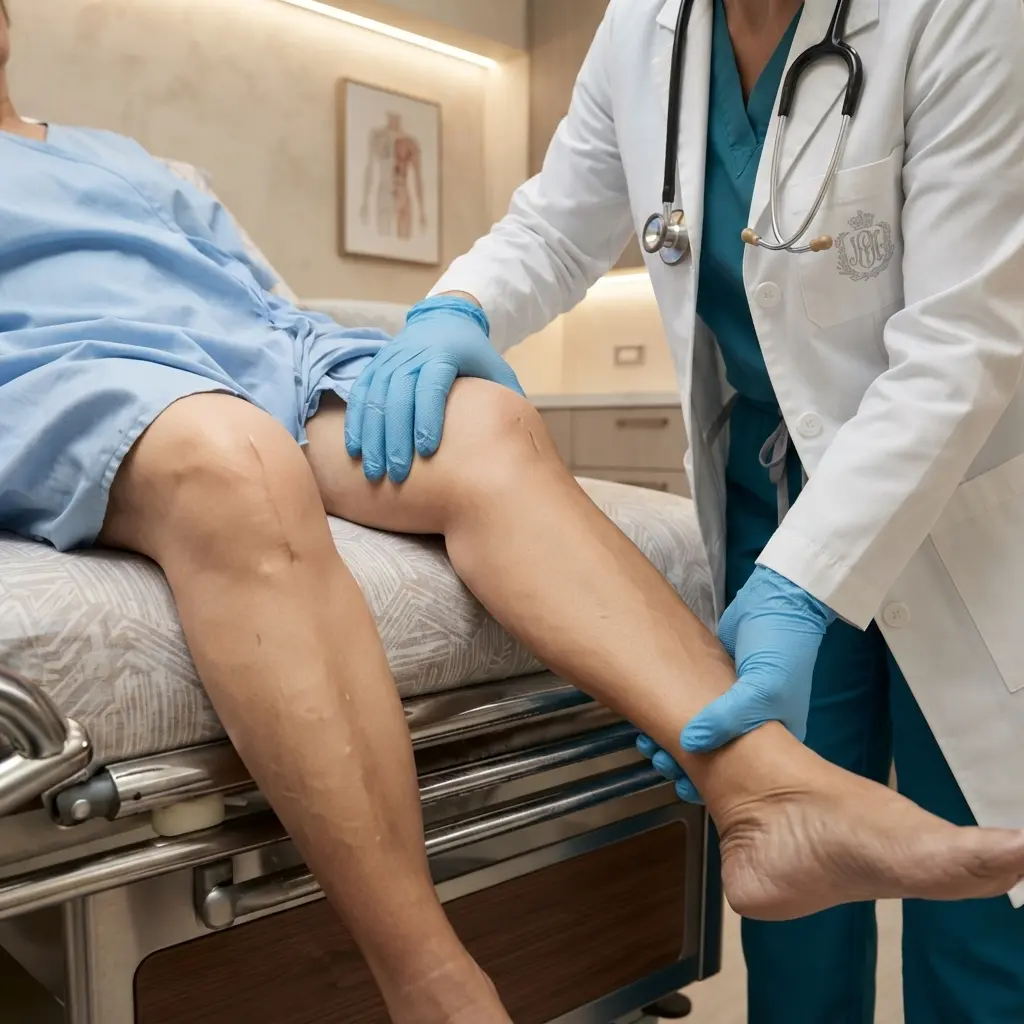
A fracture assessment generally begins with a review of how the injury occurred and the patient's symptoms and medical history. A physical examination may evaluate swelling, tenderness, movement, circulation, sensation, and the function of the affected area.
Additional diagnostic testing may be recommended to determine the precise nature of the fracture.
Fracture Diagnosis and Imaging
Imaging is an important part of fracture diagnosis. Depending on the injury, healthcare professionals may use appropriate imaging studies to determine the location and characteristics of the fracture.
Imaging findings can help determine whether the injury can be managed conservatively or requires orthopedic intervention.
Simple and Stable Fractures
Some fractures remain appropriately aligned and may be suitable for non-surgical management. Depending on the specific injury, treatment can involve immobilization, activity restrictions, pain management, and follow-up assessments.
Regular monitoring may be required to evaluate healing and ensure that the bone remains appropriately positioned.
Displaced Fractures
A displaced fracture occurs when broken bone fragments have moved out of their normal alignment. Depending on the fracture and its location, treatment may involve repositioning the bone and maintaining alignment during healing.
Some displaced fractures require surgical evaluation and fixation.
Complex and Multiple Fractures
Complex injuries may involve multiple broken bones, significant displacement, joint involvement, or associated soft-tissue damage. These cases may require detailed imaging, specialist orthopedic assessment, and a coordinated treatment plan.
The treatment approach depends on the overall injury pattern and the patient's clinical condition.
Sports-Related Fractures
Fractures can occur during contact sports, falls, high-impact activities, or other athletic events. Appropriate assessment helps determine the severity of the injury and the most suitable treatment approach.
Recovery may include rehabilitation and a gradual return to physical activity once clinically appropriate.
Fracture Treatment Without Surgery
Not every fracture requires an operation. When clinically appropriate, non-surgical management may include immobilization, activity modification, supportive devices, follow-up imaging, and rehabilitation.
The treatment plan depends on the bone involved, fracture alignment, stability, and expected healing requirements.
Surgical Fracture Treatment
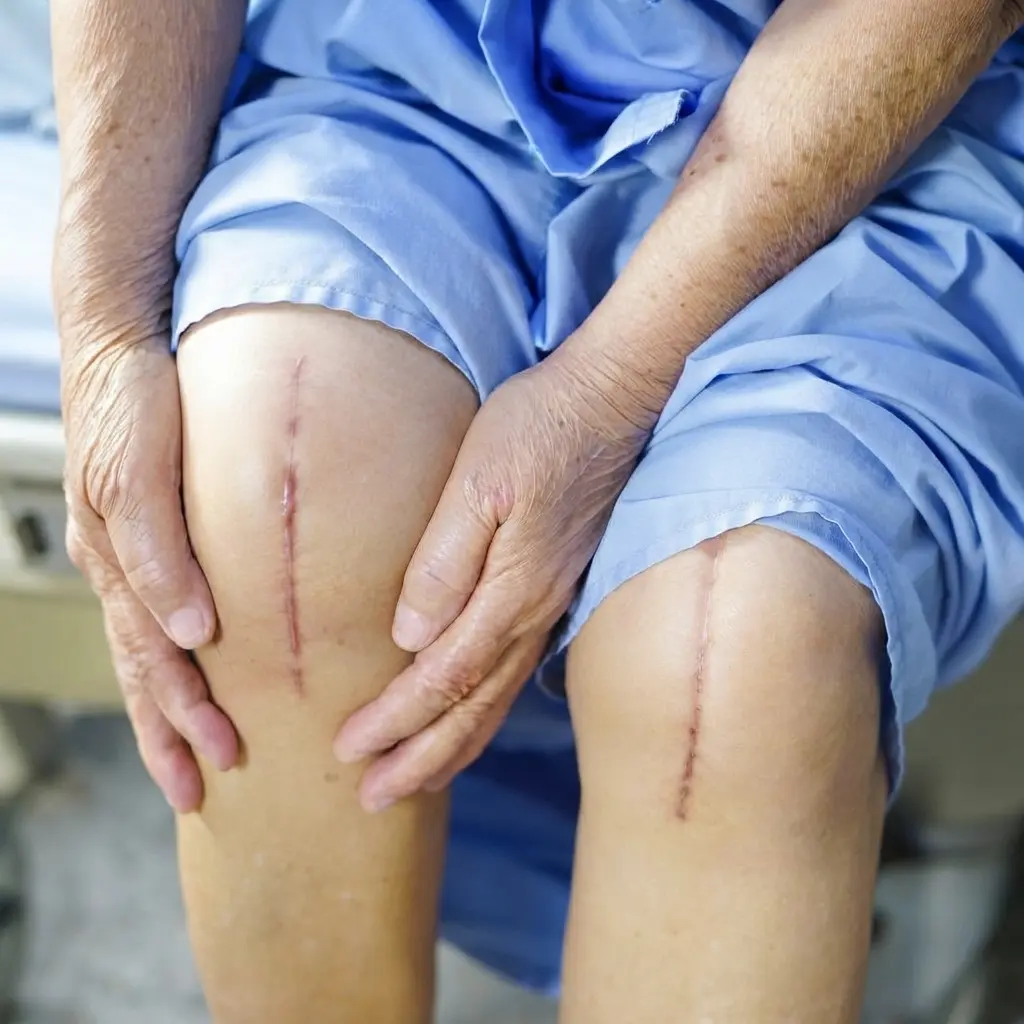
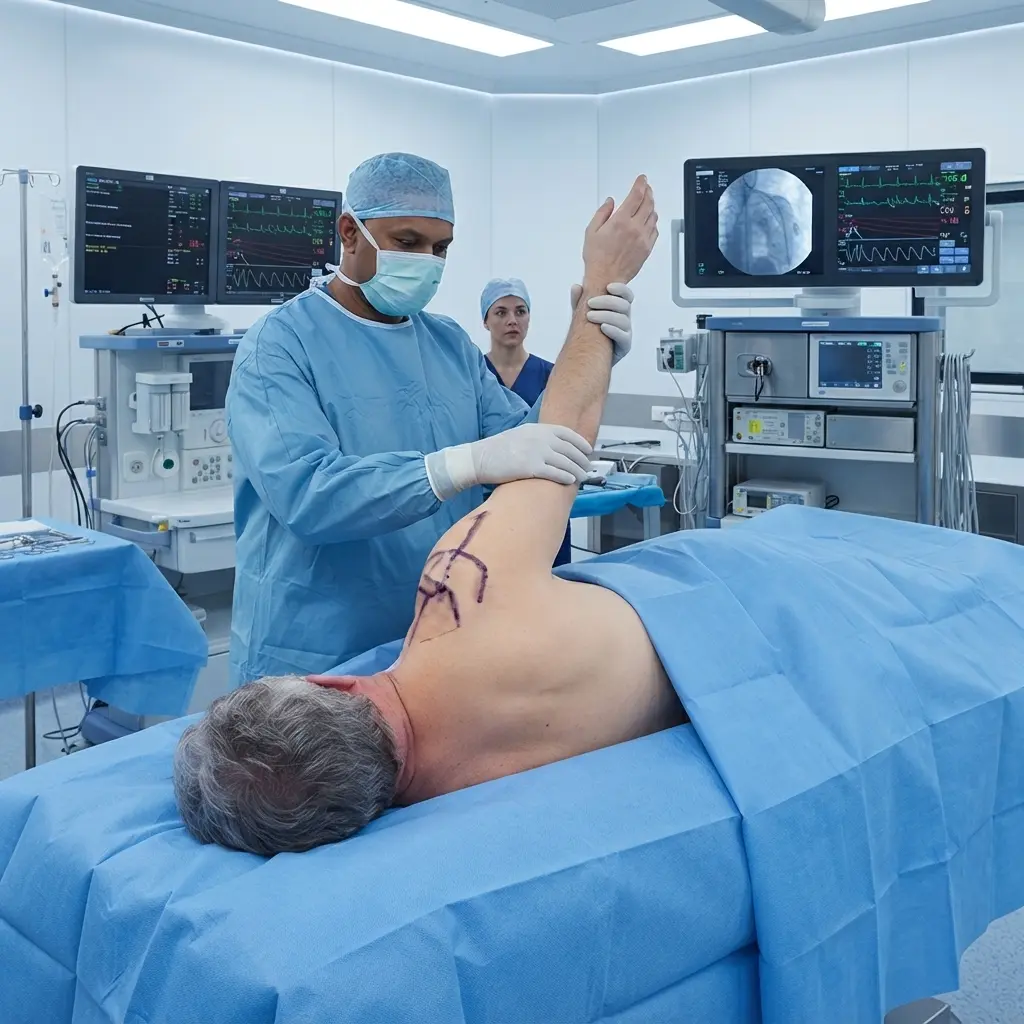
Some fractures require surgery to restore or maintain bone alignment. Surgical treatment may be considered for certain displaced, unstable, complex, or joint-involving fractures.
When surgery is recommended, the healthcare team can discuss the procedure, expected recovery, rehabilitation, and potential risks with the patient.
Fracture Fixation
Depending on the injury, surgical fixation may involve medical devices designed to maintain the position of the bone while it heals. The choice of fixation method depends on the location and characteristics of the fracture.
The treatment objective is to provide appropriate stability while supporting bone healing and eventual restoration of function.
Fracture Recovery and Healing
Bone healing varies from patient to patient. Recovery can depend on the type and location of the fracture, treatment method, age, general health, activity level, and other individual factors.
Follow-up appointments may be used to monitor healing and determine when activities can be gradually increased.
Rehabilitation After a Fracture
Rehabilitation may be recommended after immobilization or surgery to restore movement, strength, flexibility, balance, and functional ability.
Depending on the affected body part, rehabilitation may include physical therapy, strengthening exercises, mobility work, and gradual progression toward normal activities.
Returning to Daily Activities
The timing of a return to normal activities depends on the fracture and recovery progress. Patients may need to gradually increase weight-bearing, movement, exercise, or other activities under appropriate medical guidance.
Returning too quickly to demanding activities may increase the risk of further injury.
Fracture Complications
Some fractures can be associated with complications such as delayed healing, abnormal alignment, stiffness, infection following surgery, or problems involving nearby nerves or blood vessels.
Appropriate diagnosis, treatment, monitoring, and follow-up can help healthcare professionals identify and manage potential complications.
Second Opinion for Fracture Treatment
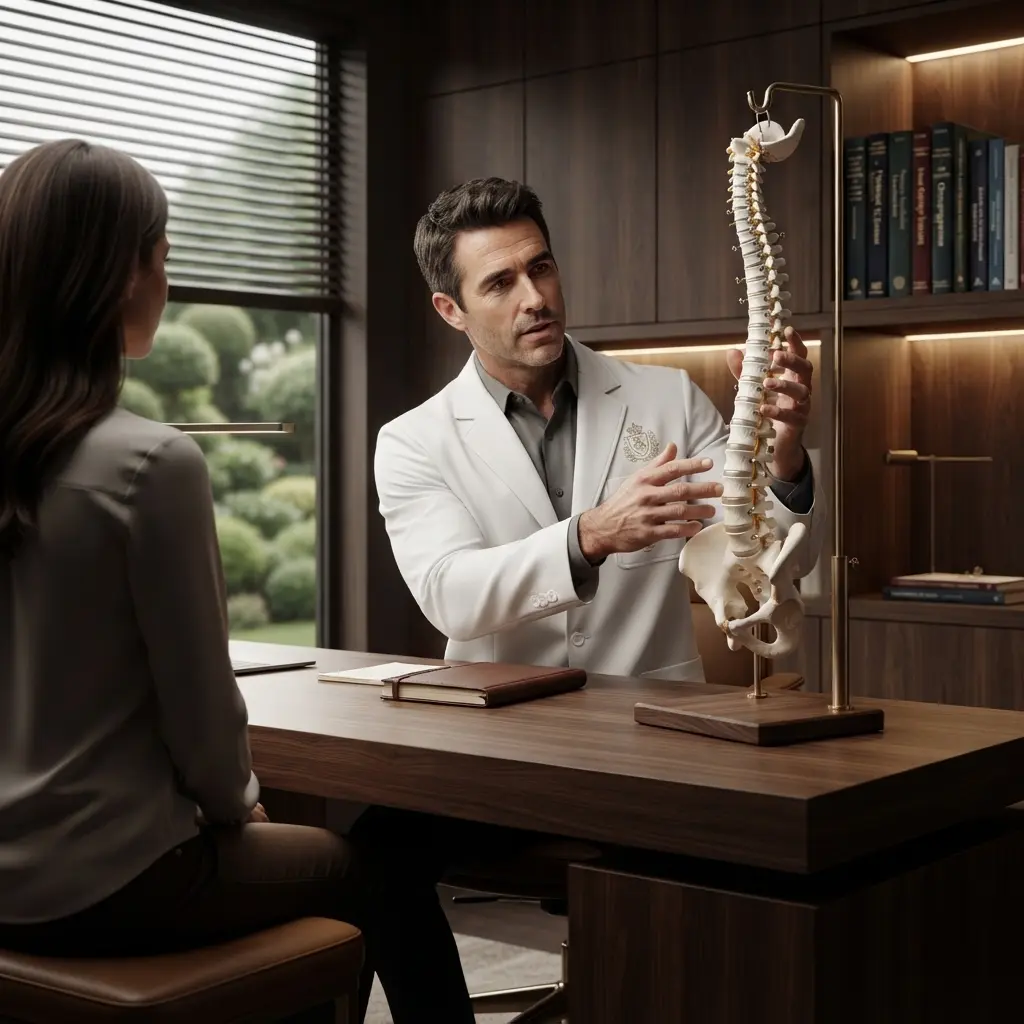
Patients who have already received a fracture diagnosis or treatment recommendation may seek a second opinion when the injury is complex, healing is not progressing as expected, or they want additional information about treatment options.
A specialist assessment can provide further evaluation of the fracture and available management approaches.
Multidisciplinary Fracture Care
Complex fractures may require coordinated care involving orthopedic specialists, diagnostic imaging services, rehabilitation professionals, physiotherapists, and other healthcare providers depending on the patient's needs.
This approach can support continuity from diagnosis and treatment through rehabilitation and recovery.
International Patient Fracture Care
International patients seeking fracture care at Toronto General Hospital may need to provide previous medical records, imaging, diagnostic reports, and details of any treatment already received.
The appropriate treatment pathway depends on the patient's injury and applicable hospital requirements. International patients should consider the time required for evaluation, treatment, follow-up, and rehabilitation.
Benefits of Fracture Care
Detailed assessment of broken bone injuries
Appropriate diagnostic evaluation and imaging
Individualized treatment planning
Non-surgical management when clinically appropriate
Surgical evaluation for complex or unstable fractures
Support for fracture healing and functional recovery
Rehabilitation and mobility support
Follow-up assessment during recovery
Multidisciplinary care for complex injuries
Support for international patients seeking specialist treatment
Why Choose Toronto General Hospital?
Toronto General Hospital is part of University Health Network and provides care within an academic healthcare environment with access to specialized medical expertise, diagnostic services, and multidisciplinary healthcare.
For patients with complex fractures or associated injuries, an integrated healthcare setting can support detailed evaluation, treatment planning, specialist care, and rehabilitation according to individual clinical requirements.
Cost & Price on Request
The overall cost of Fracture Care depends on the type and severity of the fracture, diagnostic investigations, imaging, treatment method, surgery if required, hospital stay, rehabilitation, and follow-up services.
For international patients, costs may vary according to the complexity of the injury and the services included in the individual treatment pathway.
Customer-Facing Price: Price on Request
Frequently Asked Questions
1. What types of fractures can require specialist fracture care?
Specialist fracture care may be required for displaced, unstable, complex, joint-involving, multiple, or otherwise complicated fractures. The appropriate treatment depends on the individual injury.
2. Does every fracture require surgery?
No. Some fractures can be treated without surgery using appropriate immobilization, activity modification, monitoring, and rehabilitation. Surgery may be considered when the fracture is unstable, significantly displaced, complex, or involves a joint.
3. How long does a broken bone take to heal?
Healing time varies depending on the bone involved, fracture characteristics, treatment, age, general health, and other individual factors. Follow-up assessment helps determine how healing is progressing.
4. Is rehabilitation necessary after a fracture?
Rehabilitation may be recommended to restore movement, strength, flexibility, balance, and function, particularly after prolonged immobilization or surgery.
5. Can international patients receive fracture treatment?
International patients may seek specialized medical care subject to applicable eligibility, medical review, referral processes, and appointment requirements. Treatment is planned according to the patient's individual medical needs.
Product Details
Product Name: Fracture Care at Toronto General Hospital
Hospital: Toronto General Hospital
Brand: Toronto General Hospital
Country: Canada
Specialty: Orthopaedics & Arthritis
Service Type: Fracture Care
Customer-Facing Price: Price on Request
International Patients: Subject to applicable eligibility and appointment requirements
Location: Toronto, Ontario, Canada
Related products



Frequently Bought Together
No frequently bought products found!
Products from this Seller
View All






Chemotherapy at Mayo Clinic

Immunotherapy at Mayo Clinic
Medical Tourism





Share with Friends
Trading is more effective when you share products with friends!Share you link
Share to