













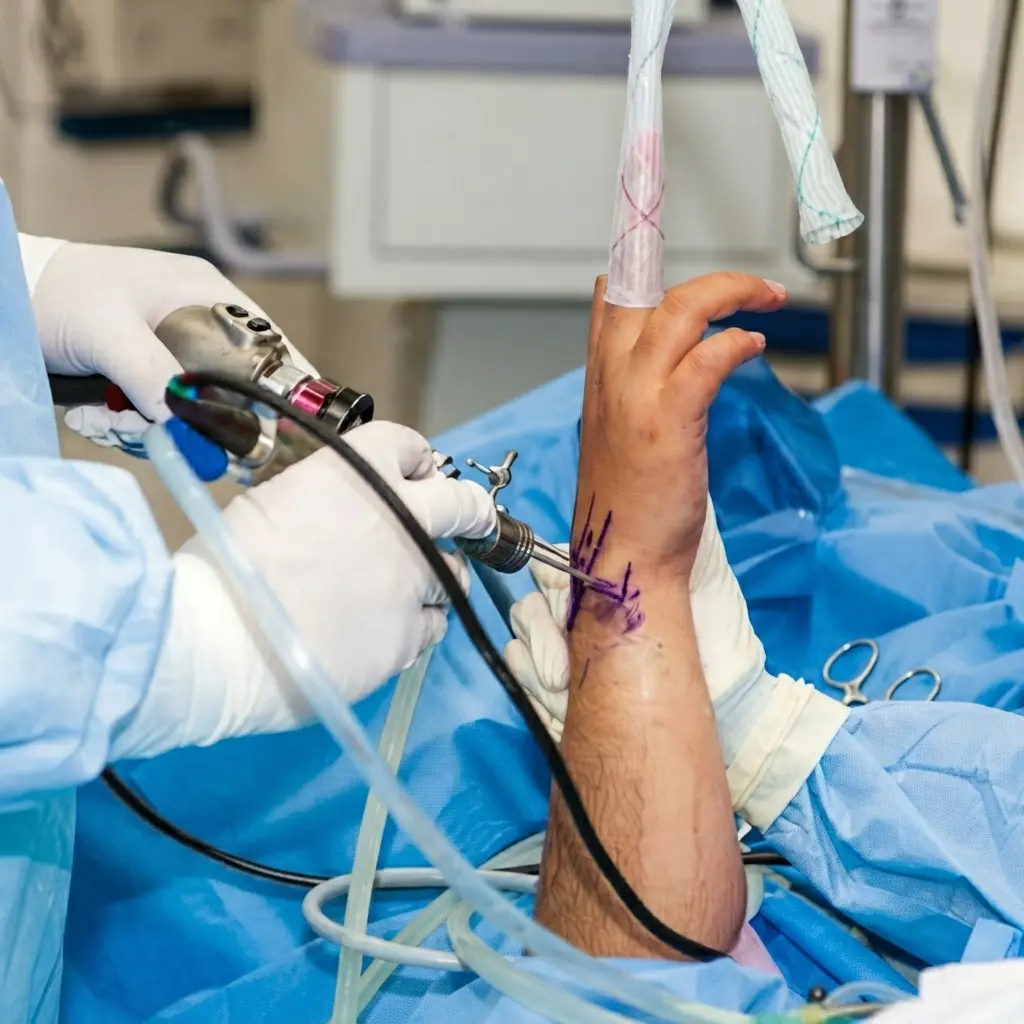
Hand & Wrist Surgery at Toronto General Hospital
Hand & Wrist Surgery at Toronto General Hospital focuses on the evaluation and surgical management of injuries and conditions affecting the hand, wrist, fingers, tendons, nerves, joints, and surrounding structures. Treatment may be considered for traumatic injuries, persistent pain, structural problems, and conditions that interfere with movement, strength, sensation, or everyday function.
Price
Price on Request
Why Price on Request?
The cost of Hand & Wrist Surgery varies according to the patient's diagnosis, complexity of the condition, diagnostic investigations, type of procedure, anesthesia, hospital requirements, rehabilitation, and follow-up care. International patient costs may also vary depending on the individual treatment pathway and applicable hospital requirements.
Complete Description
What Is Hand & Wrist Surgery?
Hand & Wrist Surgery involves surgical treatment for selected conditions affecting the hand, wrist, fingers, tendons, nerves, bones, and joints. Surgery may be considered when there is significant structural damage, persistent symptoms, functional impairment, or when non-surgical treatment has not provided an appropriate solution.
The recommended procedure depends on the patient's specific diagnosis, medical history, functional requirements, and clinical assessment.
Who May Need Hand & Wrist Surgery?
Hand and wrist surgery may be considered for patients with traumatic injuries, fractures, tendon or nerve damage, persistent joint problems, or other conditions affecting hand and wrist function.
Patients experiencing ongoing pain, weakness, restricted movement, numbness, instability, or difficulty performing everyday tasks may require specialist assessment to determine the appropriate treatment.
Hand and Wrist Assessment
Assessment generally begins with a review of symptoms, medical history, previous injuries, occupation, physical activities, and functional limitations.
A physical examination may evaluate movement, strength, sensation, circulation, joint stability, and areas of tenderness. Diagnostic imaging or other investigations may be recommended when necessary.
Hand and Wrist Fractures
Fractures can affect the wrist, hand, fingers, or other small bones of the upper limb. Some fractures may be managed without surgery, while displaced, unstable, complex, or functionally significant fractures may require surgical evaluation.
The appropriate procedure depends on the location, alignment, stability, and characteristics of the fracture.
Wrist Injuries
Wrist injuries can occur because of falls, sports activities, accidents, repetitive use, or other forms of trauma. Depending on the injury, treatment may address bones, ligaments, tendons, cartilage, or other structures.
When conservative treatment is insufficient or structural damage requires correction, surgical treatment may be considered.
Tendon Injuries
Tendons connect muscles to bones and are essential for movement of the hand and fingers. Tendon injuries can result from trauma, cuts, sports injuries, or other physical stress.
Surgical repair may be considered for certain significant tendon injuries, followed by an appropriate rehabilitation program.
Nerve Injuries
Nerve injuries in the hand or wrist can affect sensation, movement, or both. Symptoms may include numbness, weakness, tingling, or changes in hand function.
Depending on the nature and severity of the injury, specialist assessment may determine whether surgical treatment or another management approach is appropriate.
Joint and Arthritis Conditions
Arthritis and other joint conditions can cause pain, stiffness, swelling, reduced movement, and difficulty using the hand or wrist.
Treatment depends on the underlying condition and may initially involve non-surgical management. Surgical options may be considered in selected cases when symptoms and functional limitations are significant.
Carpal Tunnel and Nerve Compression
Conditions involving compression or irritation of nerves around the wrist can cause symptoms such as numbness, tingling, pain, or weakness in the hand.
Patients with persistent or significant symptoms may require specialist assessment. Surgical nerve decompression may be considered in selected cases depending on the diagnosis and clinical findings.
Hand and Wrist Trauma
Traumatic injuries may involve fractures, tendon damage, ligament injuries, nerve injuries, or multiple structures at the same time. Complex trauma may require detailed evaluation and coordinated treatment.
The treatment strategy depends on the severity of the injury and the structures involved.
Minimally Invasive and Specialized Procedures
Where clinically appropriate, certain hand or wrist conditions may be evaluated for less invasive surgical approaches. The choice of technique depends on the specific diagnosis, anatomy, and surgical requirements.
Patients can discuss the available procedural options and expected outcomes with their specialist.
Pre-Surgical Assessment
Before surgery, the healthcare team may review the patient's medical history, medications, previous treatments, imaging, and overall health.
Additional investigations may be required to support safe surgical planning. The surgeon can also discuss the expected procedure, recovery, rehabilitation, and potential risks.
Surgical Treatment and Recovery
The surgical approach depends on the specific hand or wrist condition. Following surgery, patients may require wound care, immobilization or protective support, pain management, and a structured rehabilitation program.
Recovery varies significantly depending on the type of procedure and the structures involved.
Hand and Wrist Rehabilitation
Rehabilitation is often an important part of recovery after hand or wrist surgery. Treatment may focus on restoring:
Range of motion
Grip strength
Fine motor function
Flexibility
Coordination
Hand and wrist stability
The rehabilitation plan is adjusted according to the procedure and individual recovery progress.
Returning to Work and Daily Activities
The timing of returning to work and normal activities depends on the procedure, occupation, affected hand, physical demands, and recovery progress.
Patients with jobs requiring manual work or repetitive hand movements may require additional rehabilitation before returning to full duties.
Sports-Related Hand and Wrist Injuries
Athletes may experience fractures, ligament injuries, tendon problems, or other hand and wrist conditions during sports and physical activities.
Treatment is based on the injury and may include specialist assessment, surgical management when indicated, and rehabilitation designed to restore functional movement before returning to sports.
Second Opinion for Hand and Wrist Conditions
Patients who have received a previous diagnosis or surgical recommendation may seek a second opinion when the condition is complex, symptoms persist, or they want to understand other treatment possibilities.
A specialist review can provide additional evaluation of the diagnosis and available surgical or non-surgical options.
Multidisciplinary Care
Complex hand and wrist conditions may require coordination between surgical specialists, diagnostic imaging services, rehabilitation professionals, physiotherapists, and other healthcare providers.
An integrated approach can support the patient through assessment, treatment, recovery, and rehabilitation.
International Patient Hand & Wrist Surgery
International patients seeking Hand & Wrist Surgery at Toronto General Hospital may need to provide medical records, previous treatment information, imaging, and diagnostic reports for review.
The recommended treatment pathway depends on the patient's condition and applicable hospital requirements. International patients should consider the time needed for consultation, surgery when required, postoperative care, and rehabilitation.
Benefits of Hand & Wrist Surgery
Specialist assessment of hand and wrist conditions
Evaluation of traumatic and structural injuries
Surgical treatment for selected conditions
Management of fractures and complex injuries
Treatment planning based on individual clinical needs
Support for tendon and nerve-related conditions
Postoperative rehabilitation and functional recovery
Assistance with return to work and daily activities
Multidisciplinary care for complex cases
Specialist support for international patients
Why Choose Toronto General Hospital?
Toronto General Hospital is part of University Health Network and provides care within an academic healthcare environment with access to specialized medical expertise, diagnostic services, and multidisciplinary healthcare.
For patients with complex orthopedic or upper-limb conditions, an integrated healthcare setting can support detailed evaluation, treatment planning, specialist management, and rehabilitation according to individual clinical requirements.
Cost & Price on Request
The overall cost of Hand & Wrist Surgery depends on the diagnosis, complexity of the procedure, diagnostic testing, surgical requirements, hospital services, rehabilitation, and follow-up care.
For international patients, the final cost may vary according to the complexity of the case and the services included in the individual treatment pathway.
Customer-Facing Price: Price on Request
Frequently Asked Questions
1. What conditions may require Hand & Wrist Surgery?
Surgery may be considered for certain fractures, tendon injuries, nerve injuries, severe trauma, joint conditions, persistent structural problems, and other conditions that significantly affect hand or wrist function.
2. Does every hand or wrist injury require surgery?
No. Many injuries can be treated with non-surgical approaches such as immobilization, activity modification, physical therapy, and rehabilitation. Surgery is considered when clinically appropriate.
3. How long does recovery take after hand or wrist surgery?
Recovery varies according to the type of procedure, severity of the condition, structures involved, rehabilitation, and individual health factors. Some procedures may require several weeks or longer for functional recovery.
4. Is rehabilitation required after hand and wrist surgery?
Rehabilitation may be an important part of recovery, particularly when movement, grip strength, tendon function, or fine motor skills have been affected. The rehabilitation plan depends on the procedure and patient's progress.
5. Can international patients receive Hand & Wrist Surgery?
International patients may seek specialized medical care subject to applicable eligibility, medical review, referral processes, and appointment requirements. Treatment is planned according to individual medical needs.
Product Details
Product Name: Hand & Wrist Surgery at Toronto General Hospital
Hospital: Toronto General Hospital
Brand: Toronto General Hospital
Country: Canada
Specialty: Orthopaedics & Arthritis
Service Type: Hand & Wrist Surgery
Customer-Facing Price: Price on Request
International Patients: Subject to applicable eligibility and appointment requirements
Location: Toronto, Ontario, Canada
Related products







Frequently Bought Together
No frequently bought products found!
Products from this Seller
View All












Chemotherapy at Mayo Clinic

Immunotherapy at Mayo Clinic





Medical Tourism





Share with Friends
Trading is more effective when you share products with friends!Share you link
Share to