












Sports Medicine at Toronto General Hospital
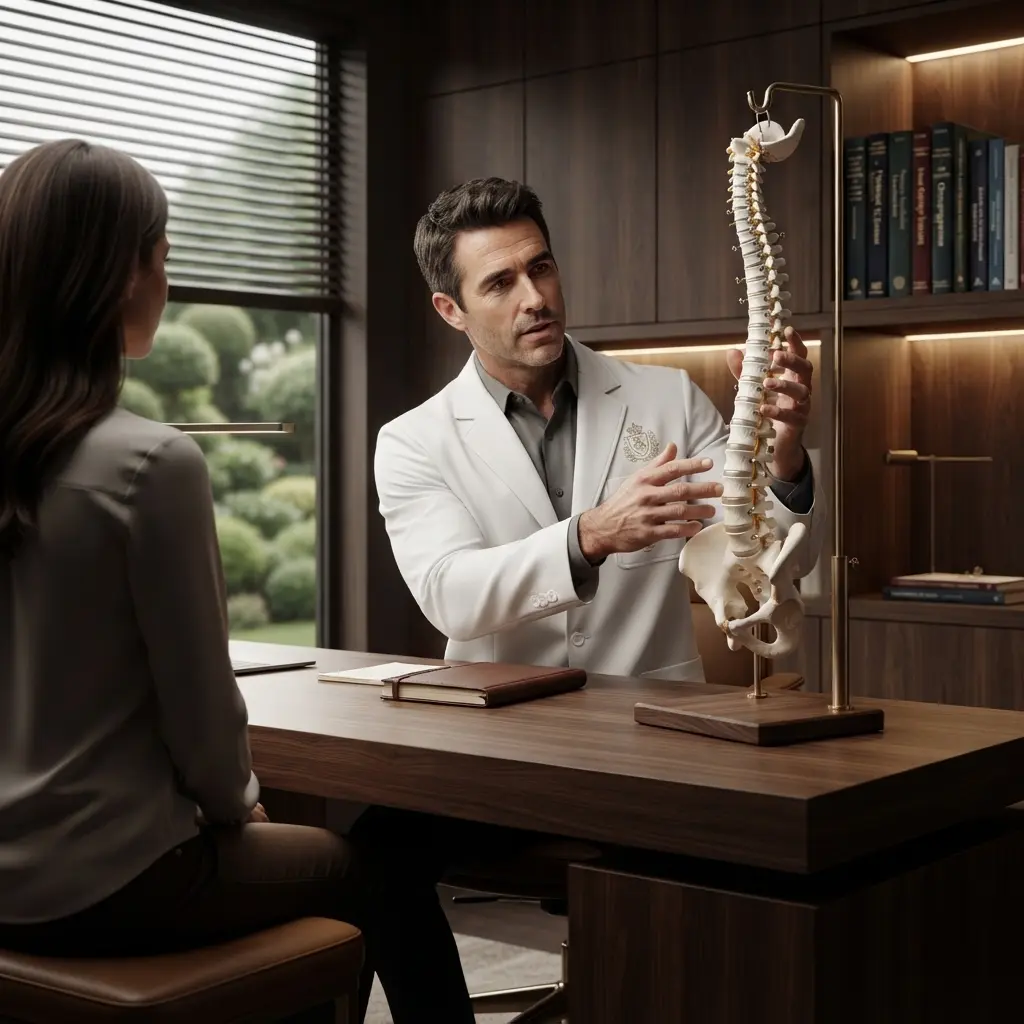
Sports Medicine at Toronto General Hospital focuses on the assessment, diagnosis, treatment, and rehabilitation of sports-related injuries and musculoskeletal conditions. Care may address injuries affecting muscles, tendons, ligaments, joints, and bones, with treatment plans tailored to the patient's activity level, condition, and recovery goals.
Price
Price on Request
Why Price on Request?
The cost of Sports Medicine services can vary depending on the patient's condition, consultation requirements, diagnostic investigations, imaging, treatment approach, rehabilitation needs, and whether additional specialist care is required. International patients may also have different costs based on their individual treatment plan and hospital requirements.
Complete Description
What Is Sports Medicine?
Sports Medicine is a specialized area of healthcare focused on preventing, diagnosing, treating, and managing injuries and conditions associated with physical activity and sports. It can support professional athletes, recreational athletes, active individuals, and people experiencing musculoskeletal problems related to exercise or physical activity.
Who May Need Sports Medicine?
Sports Medicine may be considered for individuals experiencing pain, reduced movement, or injury following sports or physical activity. It may also be useful for people who want to safely return to exercise after an injury or require guidance for managing recurring musculoskeletal problems.
Common reasons for evaluation may include sports injuries, muscle strains, ligament injuries, tendon problems, joint pain, overuse injuries, and activity-related musculoskeletal conditions.
Sports Injury Assessment
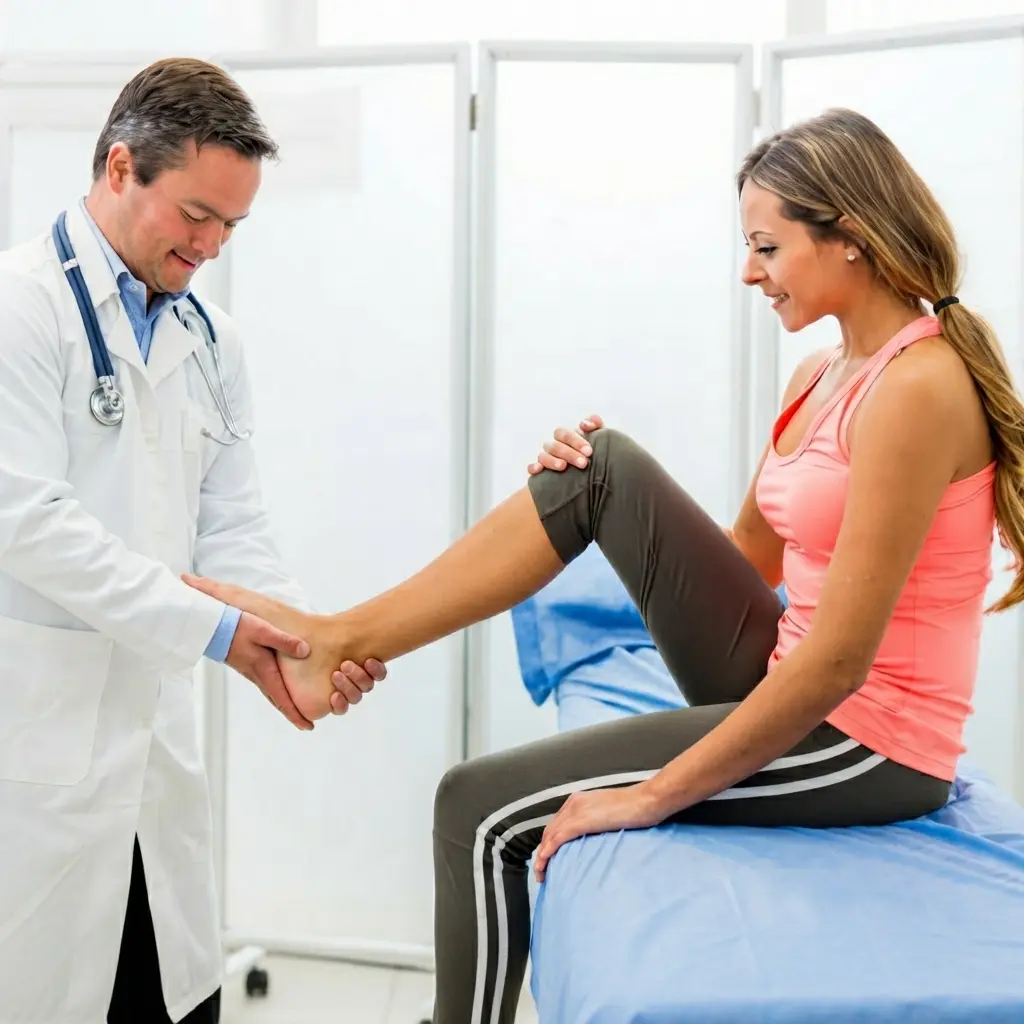
A sports medicine evaluation may begin with a detailed review of symptoms, previous injuries, physical activity, training patterns, and the circumstances surrounding an injury. A physical examination can help assess movement, strength, stability, flexibility, and areas of tenderness.
Depending on the findings, diagnostic imaging or other investigations may be recommended to better understand the underlying condition.
Muscle and Tendon Injuries
Sports Medicine can provide assessment and management for injuries involving muscles and tendons. These may include strains, overuse injuries, and tendon-related problems that can develop through repetitive activity or sudden physical stress.
Treatment may involve activity modification, rehabilitation, physical therapy, exercises, and other appropriate interventions based on the individual's condition.
Ligament and Joint Injuries
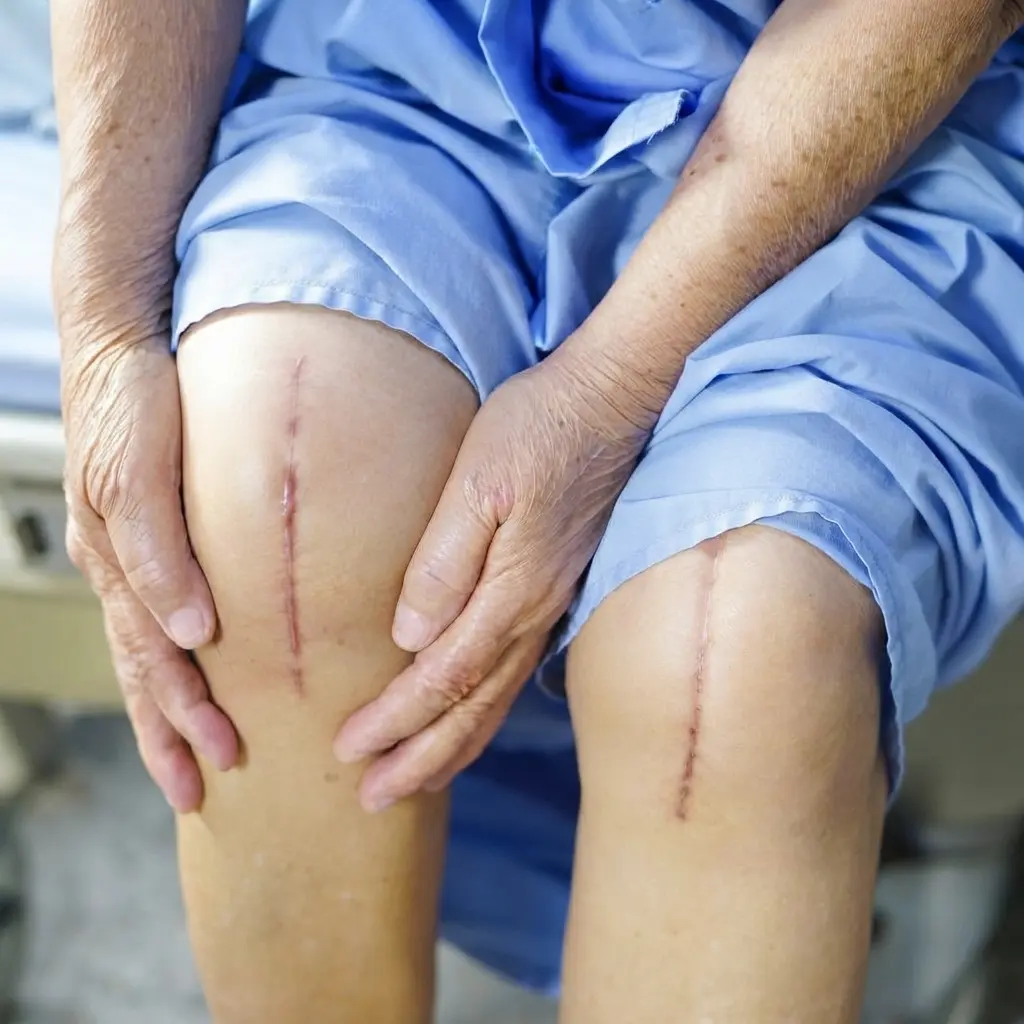
Ligament and joint injuries can affect stability, movement, and the ability to participate in sports or everyday activities. Sports medicine assessment can help determine the severity of an injury and whether conservative treatment, rehabilitation, specialist referral, or surgical evaluation may be appropriate.
Overuse Injuries
Repeated physical activity without adequate recovery can contribute to overuse injuries. These conditions may develop gradually and can affect areas such as the knee, shoulder, elbow, ankle, hip, or other parts of the musculoskeletal system.
Management may include modifying activity, addressing contributing factors, rehabilitation, strengthening exercises, and a gradual return to physical activity.
Sports-Related Joint Pain
Persistent joint pain can interfere with exercise, sports participation, and daily activities. Sports Medicine assessment may help identify possible causes and establish an appropriate treatment strategy.
Depending on the diagnosis, treatment may include non-surgical management, rehabilitation, activity modification, or referral for additional orthopedic assessment.
Diagnosis and Imaging
Accurate diagnosis is an important part of sports injury management. Depending on the patient's symptoms and examination findings, healthcare professionals may recommend diagnostic imaging or other investigations.
The results can help guide treatment decisions and determine whether further specialist assessment is required.
Non-Surgical Treatment
Many sports injuries can initially be managed without surgery. Depending on the condition, treatment may include rest or activity modification, rehabilitation exercises, physical therapy, strengthening programs, mobility work, and other clinically appropriate approaches.
The treatment plan is generally individualized according to the patient's injury, goals, physical condition, and response to treatment.
Physical Rehabilitation
Rehabilitation can play an important role in recovering strength, flexibility, balance, coordination, and functional movement after an injury. A structured rehabilitation program may help patients progress safely from initial recovery toward normal activities.
The duration and intensity of rehabilitation depend on the type and severity of the injury.
Return to Sports and Physical Activity
Returning to sports after an injury should be based on recovery progress rather than simply the passage of time. Assessment may consider pain, strength, mobility, stability, coordination, functional performance, and the demands of the patient's specific activity.
A gradual return-to-activity plan may help reduce the risk of aggravating an injury.
Injury Prevention and Performance Support
Sports Medicine may also support injury prevention by identifying factors that can contribute to recurring injuries or physical limitations. Appropriate conditioning, strength training, flexibility, movement strategies, recovery practices, and gradual increases in activity may form part of an individualized plan.
Recurring Sports Injuries
Repeated injuries in the same area may require a more detailed evaluation to identify underlying factors. These can include inadequate rehabilitation, movement limitations, muscle weakness, training-related issues, or unresolved structural problems.
A comprehensive assessment can help guide further management and determine whether additional specialist evaluation is needed.
Multidisciplinary Care
Sports-related conditions may sometimes require input from different healthcare professionals. Depending on the patient's needs, care may involve orthopedic specialists, rehabilitation professionals, physiotherapists, radiology services, or other appropriate healthcare providers.
This collaborative approach can help coordinate diagnosis, treatment, rehabilitation, and recovery.
Second Opinion for Sports Injuries
Patients who have received a previous diagnosis or treatment plan may seek a second opinion when symptoms continue, an injury repeatedly returns, or there is uncertainty about available treatment options.
A specialist review can provide an additional assessment of the diagnosis and help patients understand possible treatment and rehabilitation approaches.
International Patient Sports Medicine
International patients seeking Sports Medicine evaluation at Toronto General Hospital may require an initial review of their medical information, previous reports, imaging, and treatment history. The appropriate evaluation and treatment pathway depends on the patient's individual condition and applicable hospital requirements.
International patients should allow sufficient time for consultation, diagnostic assessment, treatment planning, and any recommended follow-up or rehabilitation.
Benefits of Sports Medicine Care
Professional assessment of sports and activity-related injuries
Individualized treatment planning
Evaluation of muscles, tendons, ligaments, joints, and bones
Support for both acute and recurring injuries
Non-surgical treatment and rehabilitation options where appropriate
Guidance for gradual return to physical activity
Access to multidisciplinary healthcare when required
Support for injury prevention and long-term physical function
Additional specialist assessment when complex treatment is needed
Why Choose Toronto General Hospital?
Toronto General Hospital is part of University Health Network and is an academic healthcare environment where patients may benefit from access to specialized medical expertise, diagnostic services, and multidisciplinary care.
For patients with complex musculoskeletal or sports-related conditions, an integrated healthcare setting can support evaluation, treatment planning, specialist referrals, and rehabilitation according to individual clinical needs.
Cost & Price on Request
Sports Medicine costs depend on the type of consultation, diagnostic requirements, imaging, treatment plan, rehabilitation, and any additional specialist services required. For international patients, the overall cost may also depend on the complexity of the case and the services included in the individual treatment pathway.
Customer-Facing Price: Price on Request
Frequently Asked Questions
1. What does Sports Medicine at Toronto General Hospital treat?
Sports Medicine may evaluate and manage sports-related and activity-related musculoskeletal conditions, including muscle strains, tendon problems, ligament injuries, joint pain, overuse injuries, and other physical activity-related conditions.
2. Is Sports Medicine only for professional athletes?
No. Sports Medicine can be relevant to professional athletes, recreational athletes, physically active individuals, and people experiencing injuries or musculoskeletal problems related to exercise and physical activity.
3. Can Sports Medicine treatment be non-surgical?
Yes. Depending on the diagnosis, many conditions may initially be managed through activity modification, rehabilitation, physical therapy, strengthening exercises, and other non-surgical approaches. Some complex conditions may require additional orthopedic or surgical assessment.
4. How long does recovery from a sports injury take?
Recovery time varies significantly depending on the type and severity of the injury, the patient's overall health, treatment approach, rehabilitation progress, and activity requirements. A healthcare professional can provide a more individualized recovery outlook after assessment.
5. Can international patients receive Sports Medicine care?
International patients may be eligible to seek specialist medical care subject to applicable hospital requirements, referral processes, medical review, and appointment availability. Their treatment plan depends on their individual medical condition.
Product Details
Product Name: Sports Medicine at Toronto General Hospital
Hospital: Toronto General Hospital
Brand: Toronto General Hospital
Country: Canada
Specialty: Orthopaedics & Arthritis
Service Type: Sports Medicine
Customer-Facing Price: Price on Request
International Patients: Subject to applicable eligibility and appointment requirements
Location: Toronto, Ontario, Canada
Related products
Frequently Bought Together
No frequently bought products found!
Products from this Seller
View All


Chemotherapy at Mayo Clinic
Immunotherapy at Mayo Clinic
Medical Tourism





Share with Friends
Trading is more effective when you share products with friends!Share you link
Share to