













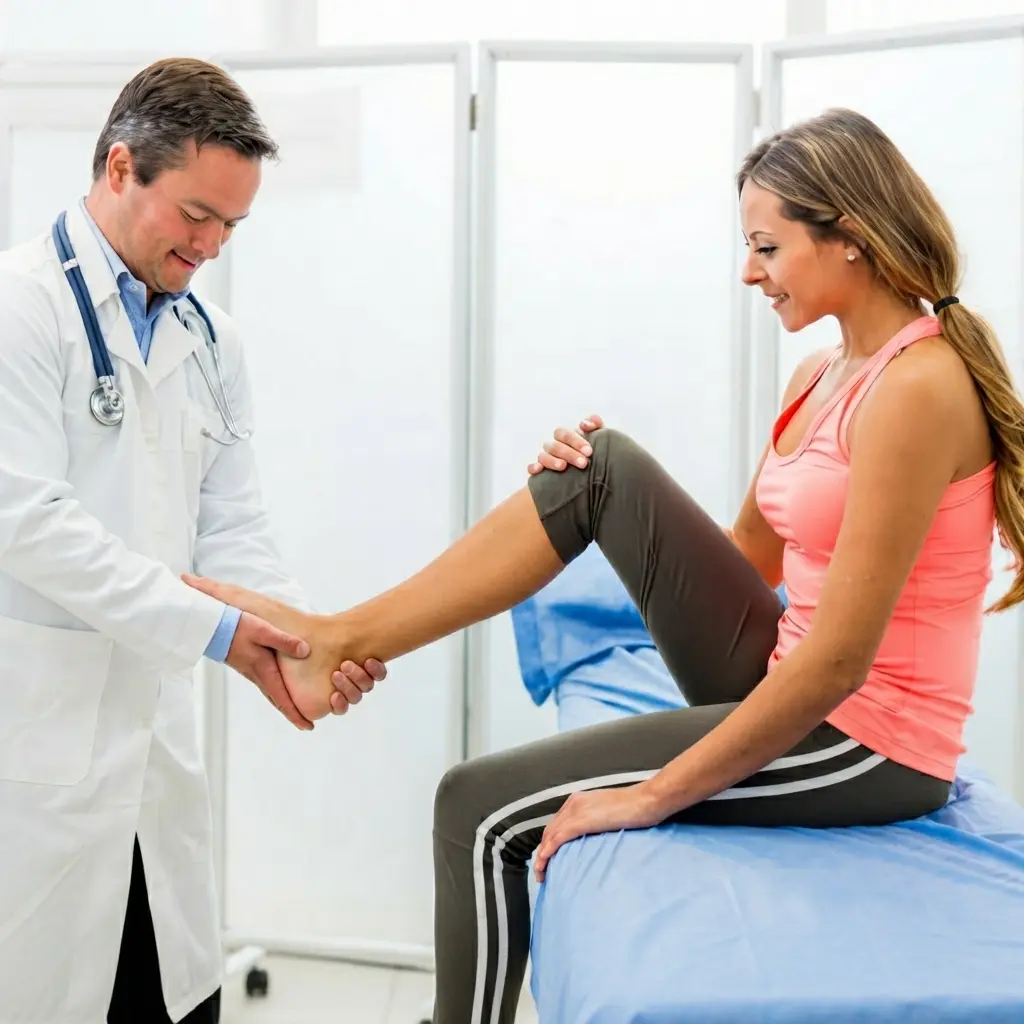
Sports Injury Treatment at Toronto General Hospital
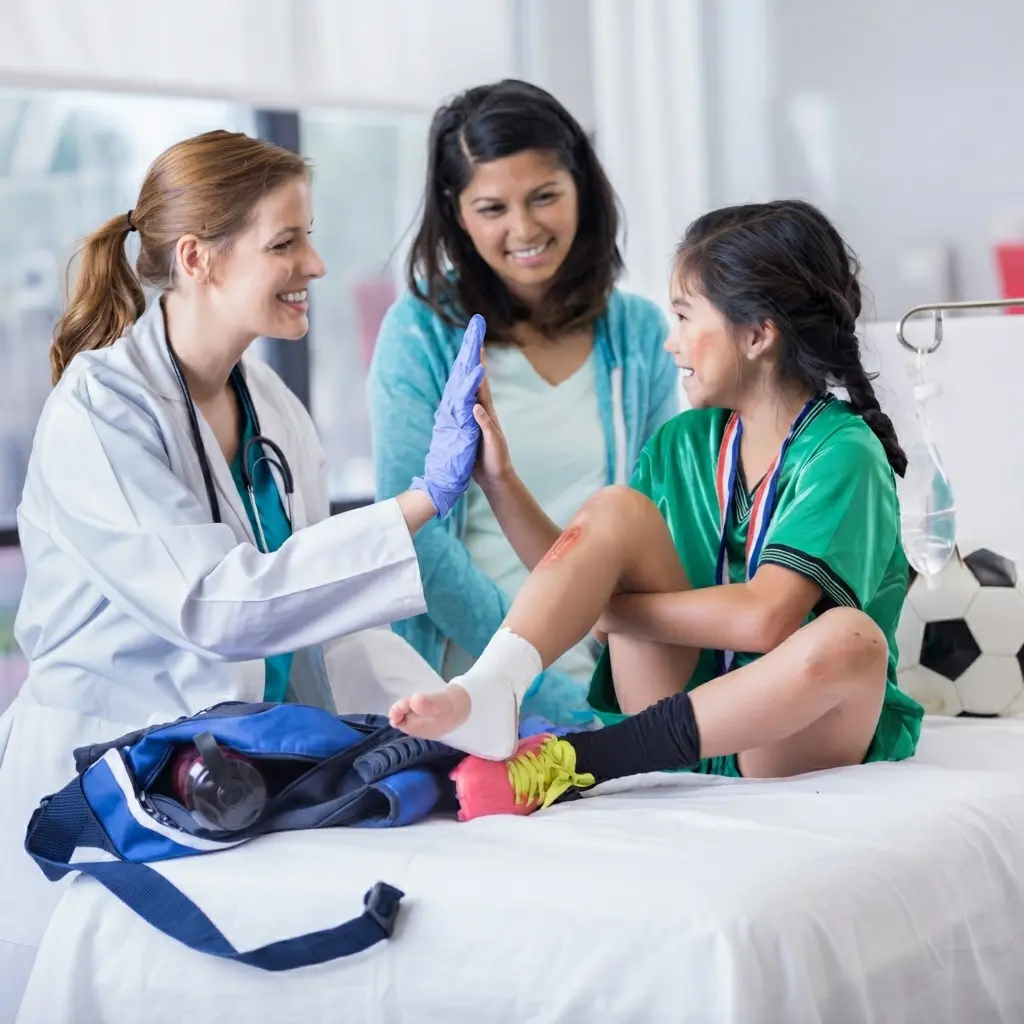
Sports Injury Treatment at Toronto General Hospital focuses on the evaluation and management of injuries that occur during sports, exercise, recreational activities, or other forms of physical activity. Treatment may address injuries involving muscles, tendons, ligaments, joints, bones, and other musculoskeletal structures, with care tailored to the type and severity of the injury.
Price
Price on Request
Why Price on Request?
The cost of Sports Injury Treatment varies depending on the type and severity of the injury, diagnostic investigations, imaging requirements, treatment approach, rehabilitation needs, and whether additional specialist services are required. International patient costs may also vary according to the individual treatment pathway and hospital requirements.
Complete Description
What Is Sports Injury Treatment?
Sports Injury Treatment involves the assessment, diagnosis, treatment, and rehabilitation of injuries associated with sports and physical activity. Depending on the injury, treatment may range from conservative management and rehabilitation to specialist orthopedic evaluation or surgical treatment when clinically appropriate.
The goal of treatment is to address the underlying injury, support functional recovery, manage symptoms, and help the patient safely return to appropriate physical activities.
Who May Need Sports Injury Treatment?
Sports Injury Treatment may be appropriate for athletes and active individuals experiencing pain, swelling, reduced movement, weakness, instability, or other symptoms after an injury.
It may also be considered for people with recurring injuries or activity-related problems that have not improved with previous treatment.
Common Sports Injuries
Sports injuries can affect different parts of the body and may include:
Muscle strains and tears
Ligament injuries
Tendon injuries
Joint sprains
Shoulder injuries
Knee injuries
Ankle injuries
Hip injuries
Fractures
Overuse injuries
Activity-related joint pain
The appropriate treatment depends on the specific diagnosis and severity of the condition.
Initial Injury Assessment
A detailed assessment is an important first step in sports injury treatment. The healthcare team may review how the injury occurred, the patient's symptoms, previous injuries, physical activity, and any previous treatment.
A physical examination may assess pain, swelling, range of motion, strength, stability, and functional movement.
Diagnostic Imaging and Investigations
Some sports injuries require diagnostic imaging or additional investigations to determine the extent of tissue or bone damage. Depending on the suspected condition, appropriate imaging may be recommended as part of the diagnostic process.
The results can help healthcare professionals develop a suitable treatment plan.
Muscle Strains and Tears
Muscle strains and tears can occur when muscle fibers are overstretched or subjected to excessive force. Treatment depends on the severity of the injury and may include activity modification, rehabilitation, physical therapy, strengthening, and gradual return to activity.
More significant injuries may require additional specialist assessment.
Ligament Injuries
Ligament injuries can affect the stability of joints and may occur during sudden changes in direction, falls, collisions, or other sporting activities. Depending on the affected ligament and severity of the injury, treatment may include rehabilitation or specialist orthopedic assessment.
Some severe ligament injuries may require surgical consideration.
Tendon Injuries
Tendon problems can develop following sudden injury or repetitive physical stress. Treatment may involve modifying activities that aggravate symptoms, rehabilitation, strengthening exercises, and other appropriate clinical approaches.
Persistent or complex tendon conditions may require further specialist evaluation.
Knee Sports Injuries
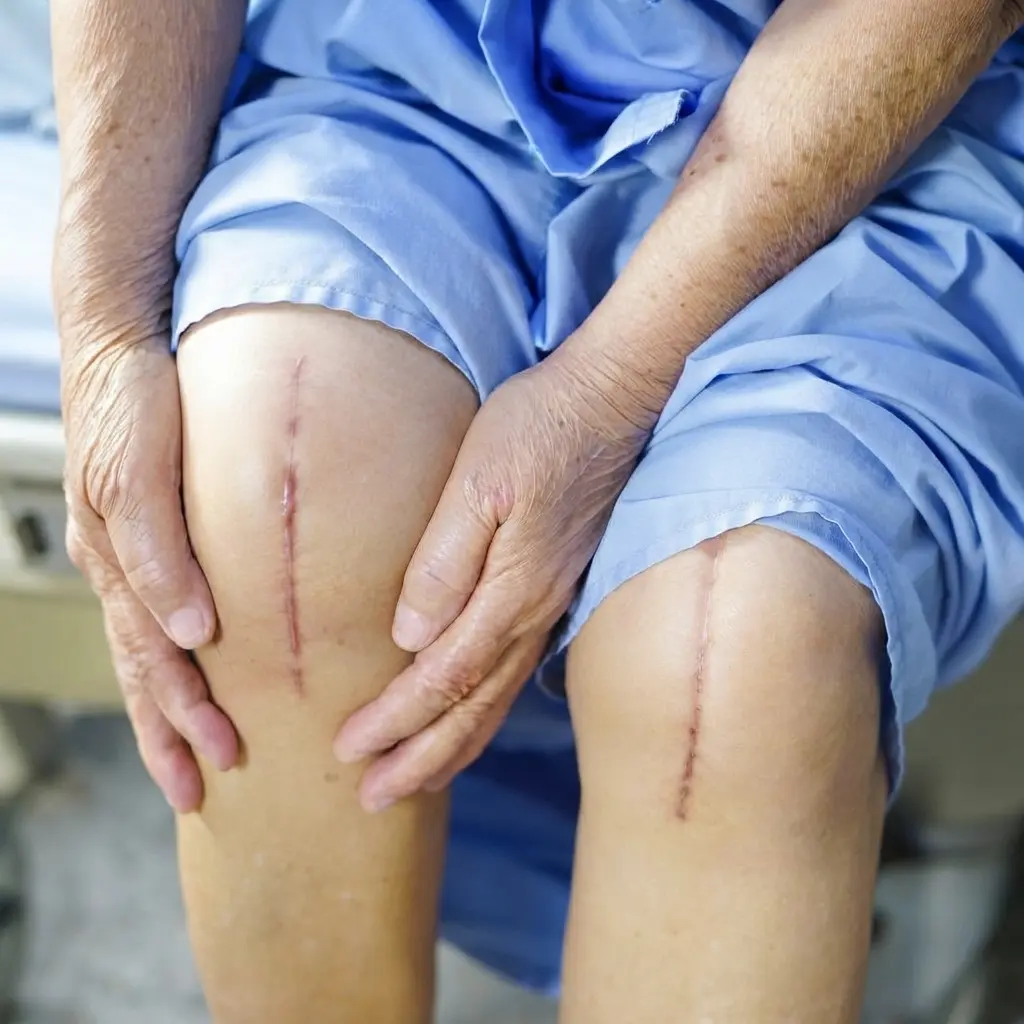
The knee can be affected by several sports-related conditions, including ligament injuries, meniscal injuries, tendon problems, cartilage damage, and other musculoskeletal injuries.
Treatment is based on the specific diagnosis and may range from rehabilitation and non-surgical care to orthopedic assessment and surgical treatment when appropriate.
Shoulder Sports Injuries
Shoulder injuries can affect athletes involved in throwing, lifting, contact sports, swimming, and other activities requiring repetitive or forceful shoulder movement.
Assessment may consider joint stability, movement, strength, tendon function, and the circumstances of the injury. Treatment can include rehabilitation, activity modification, and specialist care where necessary.
Ankle and Foot Injuries
Ankle sprains, tendon injuries, fractures, and other activity-related problems can interfere with walking, running, jumping, and sports participation.
Treatment depends on the nature of the injury and may include appropriate immobilization, rehabilitation, strengthening, mobility exercises, or specialist evaluation.
Fracture and Bone Injury Management
Sports-related fractures require appropriate diagnosis and management based on the location, type, and severity of the fracture. Some injuries may be treated conservatively, while more complex fractures may require orthopedic intervention.
Follow-up and rehabilitation can be important parts of recovery.
Non-Surgical Sports Injury Treatment
Many sports injuries can be managed without surgery when clinically appropriate. Depending on the condition, non-surgical treatment may include:
Activity modification
Physical therapy
Rehabilitation exercises
Strength and conditioning
Mobility and flexibility exercises
Gradual return-to-activity programs
Other appropriate supportive treatments
The treatment approach is individualized according to the patient's diagnosis and recovery needs.
Surgical Treatment for Sports Injuries
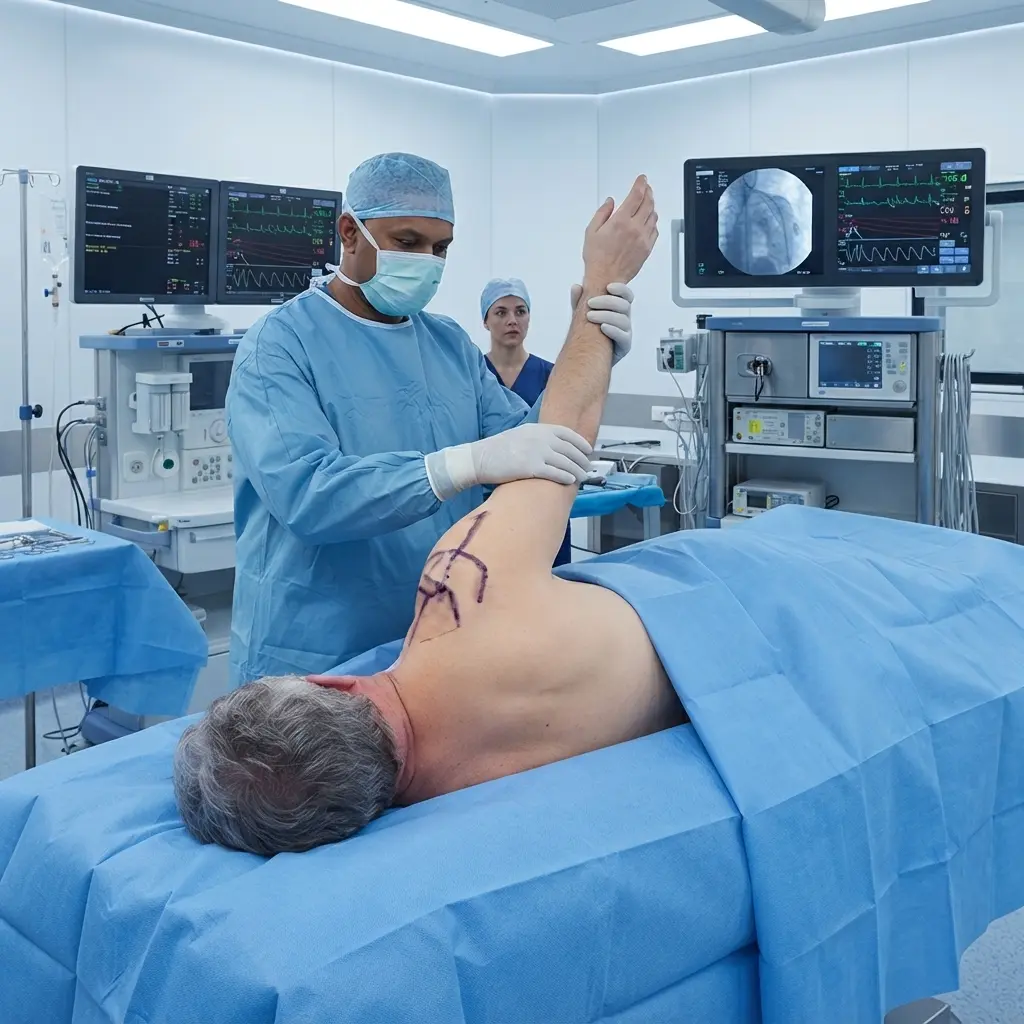
Some severe or structurally significant injuries may require surgical evaluation. Surgery may be considered when there is substantial tissue damage, persistent symptoms, instability, or another clinical indication.
If surgery is appropriate, the healthcare team can discuss the procedure, expected recovery, rehabilitation, and potential risks with the patient.
Rehabilitation After Sports Injury
Rehabilitation is often an important component of sports injury recovery. Depending on the injury, rehabilitation may focus on restoring:
Strength
Flexibility
Joint movement
Balance
Coordination
Stability
Functional performance
The rehabilitation program can be adjusted as the patient progresses.
Return to Sports
Returning to sports after an injury should generally be gradual and based on recovery rather than a fixed timeline. Healthcare professionals may assess pain, strength, mobility, stability, and functional ability before recommending progression toward higher levels of physical activity.
The appropriate return-to-sport plan depends on the injury, treatment, rehabilitation progress, and demands of the patient's sport or activity.
Treatment for Recurring Sports Injuries
Repeated injuries may indicate an underlying issue that requires further assessment. Factors such as incomplete rehabilitation, muscle weakness, movement limitations, training patterns, or unresolved structural problems may contribute to recurrence.
A comprehensive evaluation can help determine whether additional treatment or specialist assessment is appropriate.
Multidisciplinary Sports Injury Care
Complex sports injuries may require coordinated care involving different healthcare professionals. Depending on the patient's condition, care may involve orthopedic specialists, rehabilitation professionals, physiotherapists, diagnostic services, and other appropriate specialists.
A multidisciplinary approach can help coordinate diagnosis, treatment, rehabilitation, and recovery planning.
Second Opinion for Sports Injuries
Patients who have already received a diagnosis or treatment recommendation may seek a second opinion when symptoms continue, recovery is slower than expected, an injury keeps returning, or they want to understand alternative treatment approaches.
A specialist review can provide an additional assessment of the condition and available management options.
International Patient Sports Injury Treatment
International patients seeking Sports Injury Treatment at Toronto General Hospital may need to provide relevant medical records, previous diagnostic reports, imaging, and treatment history for review.
The appropriate treatment pathway depends on the patient's condition and applicable hospital requirements. International patients should also consider the time required for consultation, diagnostic evaluation, treatment, and rehabilitation.
Benefits of Sports Injury Treatment
Professional assessment of sports-related injuries
Individualized treatment planning
Diagnosis of musculoskeletal injuries
Access to non-surgical treatment when appropriate
Specialist evaluation for complex injuries
Rehabilitation and functional recovery support
Guidance for gradual return to physical activity
Assessment of recurring injuries
Coordinated multidisciplinary care when required
Support for international patients seeking specialized treatment
Why Choose Toronto General Hospital?
Toronto General Hospital is part of University Health Network and operates within an academic healthcare environment with access to specialized medical expertise, diagnostic services, and multidisciplinary care.
For patients with complex sports-related or musculoskeletal injuries, an integrated healthcare setting can support evaluation, treatment planning, specialist assessment, and rehabilitation according to individual clinical needs.
Cost & Price on Request
The total cost of Sports Injury Treatment depends on the injury, diagnostic requirements, imaging, treatment approach, specialist consultations, rehabilitation, and any procedures that may be required.
For international patients, the overall cost may vary according to the complexity of the case and the services included in the individual treatment plan.
Customer-Facing Price: Price on Request
Frequently Asked Questions
1. What sports injuries can be treated at Toronto General Hospital?
Sports Injury Treatment may address injuries involving muscles, tendons, ligaments, joints, and bones, including strains, sprains, tendon problems, ligament injuries, fractures, and various activity-related musculoskeletal conditions.
2. Is surgery always required for sports injuries?
No. Many sports injuries can be managed with non-surgical treatment and rehabilitation when clinically appropriate. Surgery may be considered for certain severe or structurally significant injuries.
3. How long does it take to recover from a sports injury?
Recovery time varies according to the type and severity of the injury, treatment approach, rehabilitation progress, and the patient's overall health and activity requirements. A healthcare professional can provide a more individualized assessment after diagnosis.
4. Can recurring sports injuries be evaluated?
Yes. Recurring injuries may require a detailed assessment to identify possible contributing factors, such as incomplete recovery, weakness, movement limitations, or unresolved structural problems.
5. Can international patients seek Sports Injury Treatment?
International patients may seek specialized medical care subject to applicable eligibility requirements, medical review, referral processes, and appointment availability. The treatment plan is determined according to the patient's individual medical needs.
Product Details
Product Name: Sports Injury Treatment at Toronto General Hospital
Hospital: Toronto General Hospital
Brand: Toronto General Hospital
Country: Canada
Specialty: Orthopaedics & Arthritis
Service Type: Sports Injury Treatment
Customer-Facing Price: Price on Request
International Patients: Subject to applicable eligibility and appointment requirements
Location: Toronto, Ontario, Canada
Related products
Frequently Bought Together
No frequently bought products found!
Products from this Seller
View All







Chemotherapy at Mayo Clinic
Immunotherapy at Mayo Clinic

Medical Tourism





Share with Friends
Trading is more effective when you share products with friends!Share you link
Share to