














Hip Replacement at Toronto General Hospital
Hip Replacement is an orthopedic surgical procedure used to replace damaged portions of the hip joint with artificial components. It may be considered for patients with severe hip arthritis, advanced joint degeneration, certain fractures or other conditions causing persistent pain and significant difficulty with movement.
Price
Price on Request
Why Price on Request?
The cost varies according to the severity of hip damage, type of replacement procedure, implant requirements, diagnostic investigations, anesthesia, hospital stay, rehabilitation and individual medical needs. A personalized cost estimate can be provided after specialist assessment.
Complete Description
What Is Hip Replacement?
Hip replacement is a surgical procedure in which damaged portions of the hip joint are removed and replaced with artificial components.
The hip is a major weight-bearing joint that allows the leg to move in multiple directions. Damage to the joint can cause pain, stiffness and difficulty walking or performing everyday activities.
Hip replacement may be considered when significant joint damage cannot be adequately managed through other appropriate treatments.
Who May Need Hip Replacement?
Hip replacement may be considered for patients experiencing:
Severe hip arthritis
Advanced hip joint degeneration
Persistent hip pain
Significant stiffness
Reduced mobility
Difficulty walking
Certain hip fractures
Joint damage following injury
Other conditions causing substantial hip joint damage
The decision to proceed with surgery requires individual orthopedic assessment.
Hip Replacement Assessment
Before surgery, the orthopedic specialist evaluates the condition of the hip and the patient's overall health.
Assessment may include:
Medical history
Physical examination
Evaluation of hip movement
Assessment of pain and mobility
X-rays
MRI or CT imaging when required
Blood tests
Review of previous treatments
Assessment of surgical fitness
These findings help determine whether hip replacement is an appropriate option.
Hip Arthritis and Joint Damage
Hip arthritis can gradually damage the cartilage covering the joint surfaces.
As the condition progresses, patients may experience pain, stiffness and reduced mobility. When symptoms become severe and significantly affect everyday life, hip replacement may be considered.
Hip Replacement for Fractures
Certain severe hip fractures may require surgical replacement rather than other forms of fracture treatment.
The appropriate procedure depends on the location and severity of the fracture, bone condition, age, health and other clinical factors.
Total Hip Replacement
Total hip replacement involves replacing the damaged parts of the hip joint with artificial components.
The procedure generally addresses the damaged ball-and-socket portions of the hip. The specific implant and surgical technique are selected according to the patient's anatomy and clinical requirements.
Pre-Surgical Planning
Detailed preparation is performed before hip replacement surgery.
The orthopedic team may review imaging, medical history, medications, existing health conditions and other factors that could affect surgery or recovery.
Patients may receive instructions regarding medications, nutrition, physical activity and preparation for postoperative rehabilitation.
Hip Implant Selection
The implant used during hip replacement is selected according to the patient's individual anatomy, bone condition, age, activity level and surgical requirements.
The orthopedic team determines the most appropriate implant design and components as part of the surgical plan.
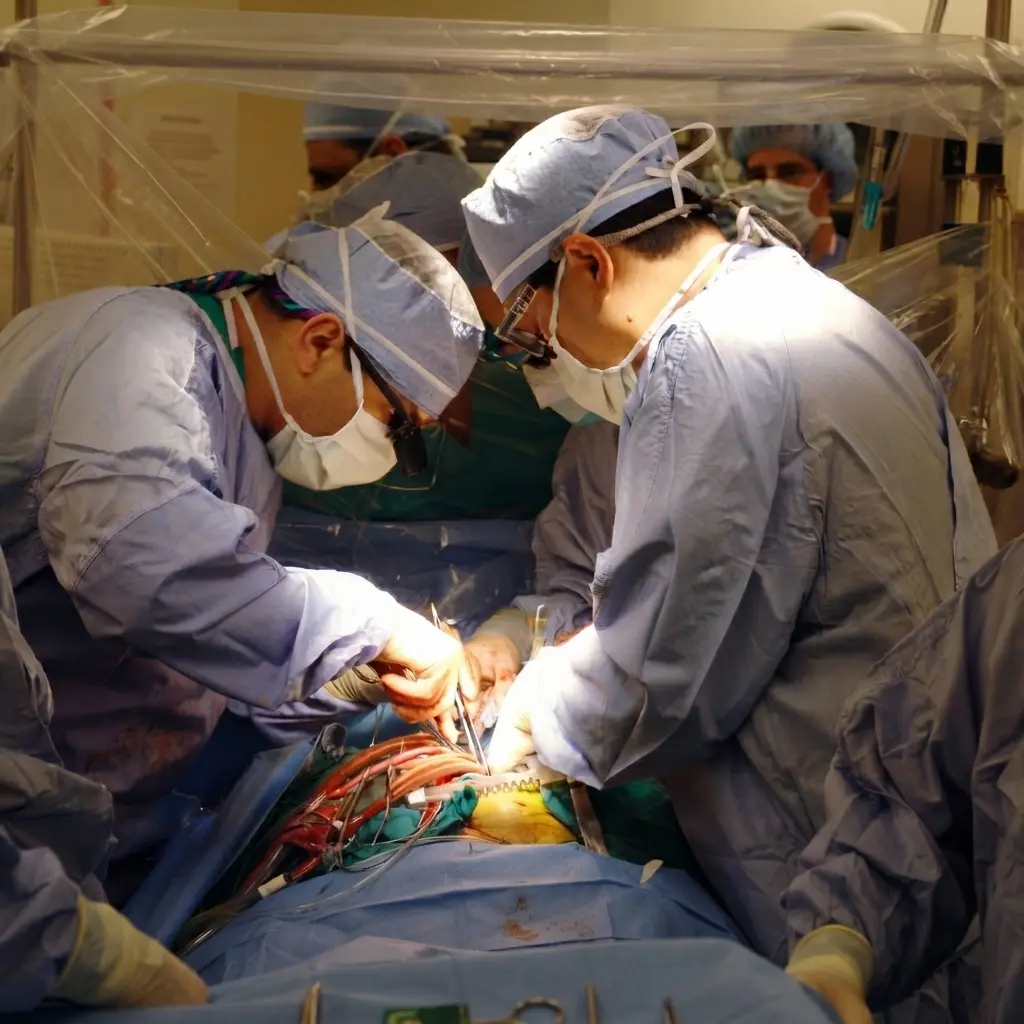
Hip Replacement Surgery
During the procedure, damaged joint surfaces are removed and replaced with artificial components.
The exact surgical technique varies depending on the patient's anatomy, joint condition and the surgeon's treatment plan.
After surgery, the patient is monitored during the initial recovery period.
Recovery After Hip Replacement
Recovery varies between patients and depends on factors such as general health, surgical technique and rehabilitation progress.
Postoperative care may include:
Pain management
Wound care
Early mobilization
Walking assistance
Physical therapy
Strengthening exercises
Mobility training
Follow-up assessment
Patients are generally encouraged to follow their individualized rehabilitation plan.
Physical Therapy After Hip Replacement
Physical rehabilitation can help patients regain strength, movement and confidence following surgery.
Exercises may focus on improving hip mobility, strengthening surrounding muscles and safely progressing walking and everyday activities.
The rehabilitation program is adjusted according to individual recovery.
Returning to Daily Activities
The timing for returning to normal activities varies from patient to patient.
The orthopedic and rehabilitation team provides guidance on walking, exercise, driving, work and other activities based on recovery progress and the type of surgery performed.
Potential Risks and Complications
Hip replacement is a major surgical procedure and may involve risks such as infection, bleeding, blood clots, implant-related complications, joint stiffness, dislocation, nerve or blood vessel injury and other procedure-specific complications.
Individual risks vary according to the patient's health and surgical circumstances. These risks are discussed during the preoperative assessment.
Second Opinion for Hip Replacement
Patients who have been advised to undergo hip replacement may seek a specialist second opinion.
Previous X-rays, MRI or CT scans, medical reports and treatment history can be reviewed to assess the severity of hip damage and determine whether replacement surgery is appropriate.
International Patient Hip Replacement
International patients may seek specialist hip replacement assessment subject to applicable medical review, eligibility and appointment requirements.
Patients may be asked to provide:
Medical history
Orthopedic reports
Hip X-rays and imaging
Previous treatment records
Laboratory test results
Previous surgical records
Current medication information
Referral documentation when required
Providing complete medical information can help specialists review the case and develop an appropriate treatment pathway.
Benefits of Hip Replacement
Potential benefits of hip replacement may include:
Reduction of pain caused by severe hip joint damage
Improved hip function
Improved walking ability
Increased mobility
Improved ability to perform daily activities
Individualized orthopedic treatment planning
Structured postoperative rehabilitation
Long-term orthopedic follow-up
Results vary according to the patient's condition, procedure and recovery.
Why Choose Toronto General Hospital?
Toronto General Hospital is a major academic healthcare centre within a specialized healthcare network, providing access to multidisciplinary medical expertise and advanced diagnostic and treatment services.
Patients requiring complex orthopedic evaluation can receive individualized assessment based on their symptoms, imaging, medical history and overall health.
Cost & Price on Request
Price: Price on Request
Potential costs may include:
Orthopedic consultation
Preoperative assessment
Diagnostic imaging
Laboratory testing
Hip replacement surgery
Hip implant components
Anesthesia
Hospitalization
Medications
Physical rehabilitation
Postoperative follow-up
A personalized cost estimate can be requested following specialist assessment.
Frequently Asked Questions
1. When is hip replacement recommended?
Hip replacement may be considered when severe hip joint damage causes persistent pain, stiffness and reduced mobility and other appropriate treatment options have not provided sufficient improvement.
2. What conditions can lead to hip replacement?
Severe arthritis, advanced joint degeneration, certain fractures and other conditions that cause significant hip joint damage may lead to consideration of hip replacement.
3. How long does recovery take after hip replacement?
Recovery varies depending on the individual, surgical procedure and overall health. Physical therapy and gradual progression of activities are important parts of recovery.
4. Will I need physical therapy after hip replacement?
Rehabilitation is generally an important part of recovery. Physical therapy can help improve strength, mobility and functional movement following surgery.
5. Can international patients request hip replacement at Toronto General Hospital?
International patients may be considered for specialist assessment and treatment subject to applicable eligibility, medical review and appointment requirements.
Product Details
Product Name: Hip Replacement
Hospital: Toronto General Hospital
Brand: Toronto General Hospital
Country: Canada
Specialty: Orthopaedics & Arthritis
Service Type: Hip Replacement
Customer-Facing Price: Price on Request
International Patients: Subject to applicable eligibility and appointment requirements
Location: Toronto, Ontario, Canada
Related products






Frequently Bought Together
No frequently bought products found!
Products from this Seller
View All











Chemotherapy at Mayo Clinic

Immunotherapy at Mayo Clinic




Medical Tourism





Share with Friends
Trading is more effective when you share products with friends!Share you link
Share to